
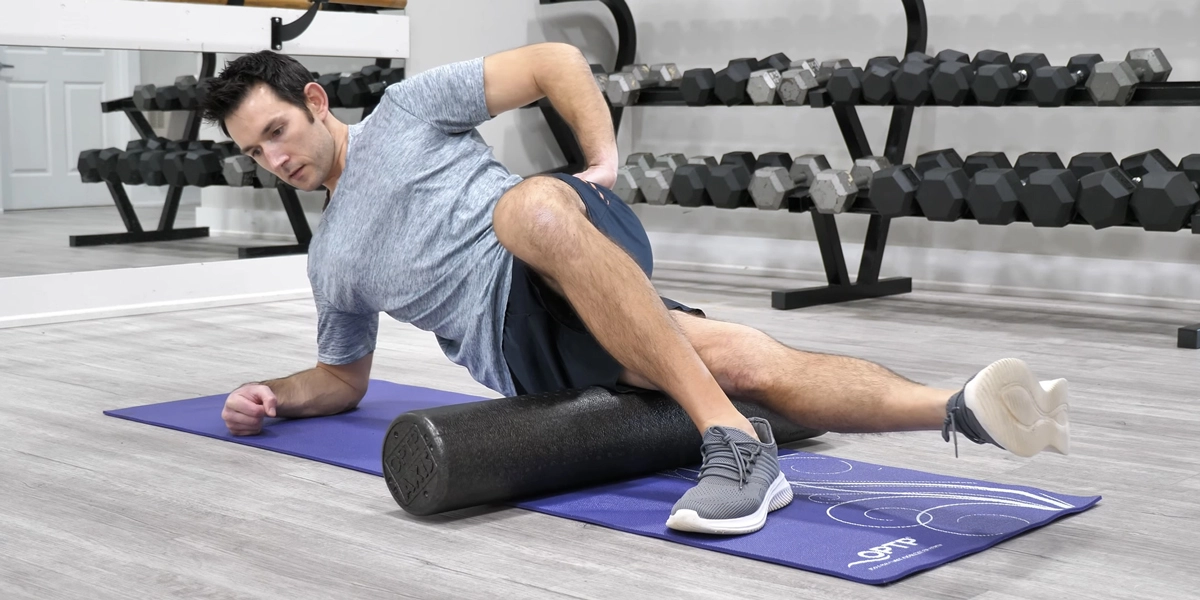
Foam rolling has become a staple in my gym and recovery routine. It started as something I casually did after tough leg workouts, but now it’s integrated into nearly every session, and for good reason. It took experimenting with different routines and paying close attention to how my body responded, but I learned firsthand how powerful foam rolling can be for muscle recovery, mobility, and even injury prevention. Naturally, the question that always comes up, one I’ve asked myself, is this: how often should you use a foam roller?
This isn’t a one-size-fits-all answer. The frequency depends on your goals, your training volume, and how your body feels. But if you’re looking to maximize your results in the gym and keep your muscles and joints healthy, understanding the role foam rolling plays, and how often you should incorporate it, can make a noticeable difference in your performance and recovery.
Foam Rolling and Myofascial Release
Before diving into the frequency, it’s helpful to know what foam rolling actually does. The practice is a form of self-myofascial release (SMR), which is essentially a technique for massaging the fascia, connective tissue that wraps around muscles, joints, and organs. When this fascia becomes tight or knotted, it can restrict movement and cause discomfort or pain.
Foam rolling targets these areas of tension, applying pressure that helps release the knots, improve blood flow, and promote flexibility. Think of it as a self-administered deep tissue massage. It doesn’t feel great in the moment, especially if your muscles are sore, but the relief and mobility benefits afterward are worth it.
In my own training, foam rolling has helped me improve hip mobility, reduce tightness in my IT bands, and even minimize the chances of hamstring pulls during high-volume sessions. It’s a tool I’ve come to rely on, especially after years of pushing my body hard in the gym.
Daily Use: Is It Too Much?
One of the most common questions I hear is how often should you use a foam roller if you’re training regularly. From personal experience and everything I’ve studied about recovery, using a foam roller daily, provided it’s done properly, is not only safe but incredibly beneficial.
I foam roll every day, sometimes multiple times. That might sound excessive, but not every session needs to be long or intense. A quick five- to ten-minute session in the morning to loosen up stiff areas or another short round post-workout can help maintain flexibility and reduce post-exercise soreness.
If you’re someone who lifts heavy, runs long distances, or performs explosive athletic movements, daily foam rolling can be one of the best preventative tools in your kit. It keeps your fascia supple, prevents the buildup of chronic tightness, and helps prepare your body for each new training session.
That said, not all areas should be aggressively rolled every single day. I tend to rotate focus, maybe calves and glutes one day, quads and hamstrings the next. Overdoing the pressure in one spot repeatedly can cause more irritation than benefit. The key is moderation and listening to how your body responds.
Pre-Workout Rolling for Activation and Range
I always include some form of foam rolling before a training session. For me, it’s about waking up the muscles, stimulating blood flow, and improving joint range of motion. Foam rolling before a workout isn’t necessarily for recovery, it’s for performance.
I’ve found that even five minutes of rolling on my lower body before squats improves how deep I can go and how smooth my movements feel. It’s especially useful on days when my hips feel tight or my hamstrings are sluggish from a previous workout.
Using the foam roller pre-workout has another benefit: mental readiness. It’s a moment to check in with my body and identify any tight spots or areas that need extra attention during warm-ups. So, in the context of how often should you use a foam roller, incorporating it before most workouts is a highly effective habit.
Post-Workout Rolling for Recovery and Soreness
After training, foam rolling takes on a different purpose. Post-workout sessions help reduce muscle stiffness and improve recovery by promoting circulation and flushing out waste products like lactic acid. I often spend more time rolling after workouts, especially on days where I’ve done high-rep compound movements.
If I skip foam rolling after leg day, I always feel more sore the next day. Rolling out my quads, glutes, and calves right after training keeps that stiffness from settling in too deeply. It also allows me to start my recovery window with less muscle tension.
This is one of the most crucial aspects of understanding how often should you use a foam roller: frequency isn’t just about how many times per week, but also about timing. Using the roller both before and after workouts has given me the best results in terms of mobility and reduced soreness.
On Rest Days: Active Recovery with a Purpose
Rest days are often misunderstood. They’re not just for doing nothing, they’re an opportunity to support your body in ways that training days don’t allow. I’ve made it a habit to foam roll on my rest days, especially if I’ve had a heavy training week.
On these days, foam rolling is less intense. I focus on long, slow strokes, breathing deeply, and relaxing into each area. It helps reduce lingering soreness and improves blood flow, which supports healing and muscle repair.
I’ll usually combine it with a light stretching routine or a walk. Foam rolling on rest days reinforces how often should you use a foam roller, it’s not just about treating tightness but maintaining muscle readiness and joint health even when you’re not training.
Foam Rolling for Injury Prevention
Using the foam roller regularly has helped me prevent injuries. I used to deal with recurring lower back tension and occasional hamstring strains. Once I made foam rolling a consistent part of my routine, those issues dramatically reduced.
Muscles that are tight, imbalanced, or restricted can easily pull or strain during high-intensity training. Foam rolling keeps those tissues supple and responsive. It’s not a magic bullet, but it does create a more balanced muscular system that’s better equipped to handle stress.
If you’re recovering from an injury or working around a limitation, foam rolling can also be a gentle way to reintroduce movement to the affected area. I’ve used it post-rehab to regain range of motion and alleviate compensatory tightness from overuse of other muscles.
In this context, how often should you use a foam roller depends on your personal history. If you’re prone to injuries or working through mobility restrictions, daily use, especially light and targeted, can be a huge asset.
Foam Rolling Duration and Technique Matter
It’s not just about how often you use the foam roller, it’s also about how you use it. I’ve learned that longer doesn’t always mean better. Two or three targeted minutes on a specific area with proper breathing and control can be more effective than mindlessly rolling back and forth for fifteen.
Here are some personal guidelines I follow:
- Spend 30 to 60 seconds per muscle group, slowly rolling and pausing on tight spots.
- Avoid rolling directly on joints or bones.
- Breathe through discomfort, never roll to the point of pain.
- Use different types of rollers (soft vs. firm) depending on muscle density and soreness level.
These principles have helped me get the most out of each foam rolling session, no matter the frequency.
Adapting Frequency Based on Training Intensity
During deload weeks or lighter training blocks, I scale back my foam rolling. I might still do some light sessions in the morning or before workouts, but I don’t need as much post-workout work because the muscle breakdown is minimal.
On the flip side, during hypertrophy phases or strength cycles with heavy loads, I increase foam rolling frequency, sometimes twice daily if soreness or tightness builds up. This fluid approach is what keeps my recovery consistent and effective.
So how often should you use a foam roller? In short: match your usage to your training load, soreness level, and personal recovery needs. Foam rolling isn’t rigid, it’s adaptable. Use it as a tool, not a rule.
Special Cases: Travel, Stress, and Aging
Foam rolling also helps in less obvious situations. When I travel, I bring a small roller or a lacrosse ball to stay limber after flights or long drives. It helps me stay loose and offsets the tightness from sitting for hours.
During high-stress weeks, foam rolling becomes part of my wind-down routine. I roll out slowly before bed, combining it with deep breathing. It helps calm my nervous system, which in turn improves sleep and speeds up muscle repair.
For older lifters or those coming back from layoffs, foam rolling can also help reintroduce movement gently. The more age or wear on your joints, the more value this tool brings, especially when used regularly.
Final Thoughts
So how often should you use a foam roller? The answer lies in your training habits, your recovery goals, and how your body responds. For me, it’s a near-daily practice. Sometimes it’s part of a full recovery session. Other times, it’s a quick morning tune-up or a bedtime reset.
Foam rolling isn’t just a luxury, it’s a foundational habit that supports performance, prevents injury, and enhances long-term fitness. Whether you train five days a week or just getting back into a routine, this simple tool can help your body move better, feel better, and recover faster.
Use it intentionally, listen to your body, and make it part of your training lifestyle. Your muscles will thank you.
