
Muscle recovery is the unsung hero behind every effective training program. You can hit the weights hard, run miles with intensity, or grind through high-volume circuits, but without proper recovery, progress stalls. That’s why I’ve spent years testing out recovery tools to figure out what really works. Among the many options out there, two cold-based methods consistently rise to the top: cryotherapy and ice baths. Both promise faster healing, reduced soreness, and better performance. But which actually delivers better results? That’s what I set out to discover in this deep dive into cryotherapy vs ice baths.
The Science Behind Cold Therapy
Before comparing the two, it helps to understand why cold exposure is used in recovery in the first place. Both cryotherapy and ice baths work by reducing inflammation and slowing nerve activity. This can lead to decreased soreness, less swelling, and faster muscle repair. When cold is applied to the body, blood vessels constrict (a process known as vasoconstriction), which limits inflammation. Then, as the body warms back up, circulation increases, bringing oxygen and nutrients to damaged tissues.
This cold-then-warm cycle is where the magic happens. It encourages muscle healing, clears waste products like lactic acid, and can even ease delayed onset muscle soreness (DOMS). Both cryotherapy and ice baths use this principle, but they go about it in different ways.
What Is Cryotherapy?
Cryotherapy typically refers to whole-body exposure to extremely cold air, anywhere from -110°C to -140°C (-166°F to -220°F). The sessions are short, usually around two to four minutes. You step into a cryo chamber wearing minimal clothing, gloves, socks, and a face mask. Cold air is pumped in, rapidly lowering skin temperature without freezing tissue. The goal is to stimulate the body’s natural recovery processes without full immersion in cold water.
From my experience, cryotherapy feels intense, but not unbearable. It’s a sharp, dry cold that hits the skin quickly but doesn’t chill you to the bone like water does. Once you step out of the chamber, the warming sensation is almost euphoric. Some people claim it boosts mood and mental clarity thanks to the endorphin release.
What Are Ice Baths?
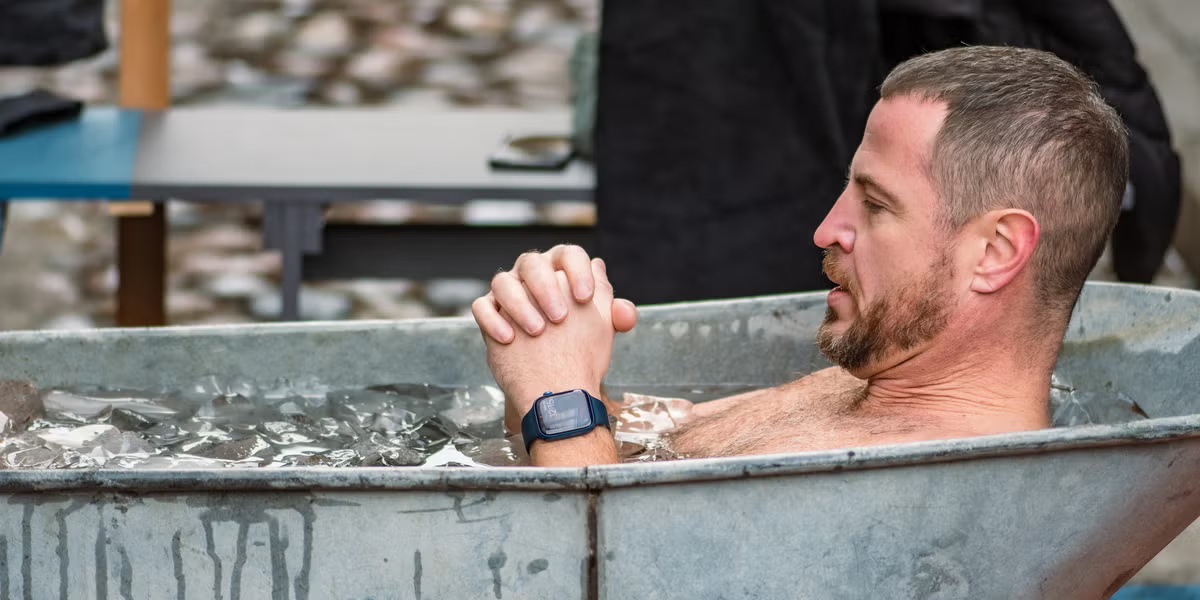
On the other hand, ice baths are all about water immersion. You sit or lie in a tub filled with cold water, usually between 50°F and 59°F (10°C–15°C), sometimes even colder. Sessions last longer, anywhere from 10 to 15 minutes. The cold penetrates deep into the muscles, which is part of what makes it feel more physically taxing.
Personally, I find the first two minutes of an ice bath to be the toughest. Breathing becomes shallow, and it takes mental effort to stay calm. But once that wave of discomfort passes, the muscles start to feel almost numb, and the inflammation begins to ease up. Unlike cryotherapy, ice baths require some preparation, filling the tub, adding ice, and dealing with the chill for a longer period. But the results are noticeable.
Cryotherapy vs Ice Baths: Which Reaches Deeper?
One of the biggest questions I had was how deep each method actually goes. Cryotherapy primarily cools the skin and outer layers of tissue. Because it uses cold air, the temperature change doesn’t reach deep muscle fibers the way water immersion does. That’s not to say cryotherapy isn’t effective, it just works more through stimulating the nervous system and triggering a systemic response.
Ice baths, by contrast, get into the muscles themselves. Water has higher thermal conductivity than air, meaning it pulls heat from the body more efficiently. I’ve felt that difference especially after heavy compound lifts. The deeper muscles feel less tight and sore the next day after a solid ice bath session. That’s a big factor when looking at cryotherapy vs ice baths from a muscle recovery standpoint.
Hormonal and Systemic Effects
Both treatments affect the body’s hormone levels, especially cortisol and endorphins. Cryotherapy tends to spike norepinephrine, a hormone and neurotransmitter that boosts alertness and mood. After a cryo session, I often feel sharper and more energized, which is why some athletes use it before events or training.
Ice baths, on the other hand, seem to have a more calming effect. My heart rate drops, breathing slows, and there’s a meditative quality to sitting quietly in the cold water. Both methods reduce inflammation, but the systemic effects differ slightly. Cryotherapy feels like a nervous system reset. Ice baths feel like a physical flush and decompression.
Convenience and Accessibility
Let’s talk logistics. Cryotherapy chambers are expensive and usually found in clinics or specialized wellness centers. I’ve used them at high-end gyms and recovery lounges, but they’re not something you can easily set up at home. Each session costs anywhere from $30 to $60, which adds up fast if you’re using it regularly.
Ice baths are way more accessible. Whether you’re using a basic tub, a stock tank, or a portable cold pod, you can set up a recovery station at home. The upfront investment is lower, and once you’ve got a system in place, there’s no recurring cost aside from water and maybe a few bags of ice. That makes a huge difference in terms of consistency.
When comparing cryotherapy vs ice baths, accessibility gives ice baths a clear advantage. Having the option to recover anytime, especially after late workouts or weekend training, helps keep recovery on track.
Comfort and Experience
Comfort plays a role in compliance. Cryotherapy sessions are quick and relatively painless, which makes them easy to stick with. They feel futuristic, stepping into the chamber feels like entering a sci-fi pod. You’re in and out in a matter of minutes, dry and ready to continue your day.
Ice baths require more commitment. You have to get wet, sit still, and tolerate cold water for a longer period. It’s mentally harder, but also more rewarding in some ways. I’ve noticed that pushing through the discomfort of an ice bath builds mental toughness that carries over into training.
For those who value efficiency, cryotherapy wins. For those who value effectiveness and depth, ice baths hold the crown.
Cost Comparison
Let’s break down the money side. A high-end cryotherapy chamber for home use costs upwards of $40,000. Even frequent visits to a cryo clinic can cost over $200 a month. If you’re looking for budget-friendly recovery, it’s not a great long-term solution unless you’re a professional athlete or have sponsorship.
Ice bath setups can range from $100 to $5,000 depending on the type. A simple tub with bags of ice works fine, or you can invest in a plunge tub with built-in cooling. Either way, it’s more affordable and scalable. For those trying to make recovery part of everyday life, the economics of ice baths make more sense.
Again, in the cryotherapy vs ice baths debate, cost-effectiveness leans heavily toward ice baths, especially for regular use.
Performance and Athletic Feedback
I’ve spoken with other athletes and trainers about their experiences. The feedback is mixed, but revealing. Sprinters and high-impact athletes often favor cryotherapy for its nervous system benefits. It gives them a boost before competition or helps them feel fresh during deload weeks.
Lifters, bodybuilders, and endurance athletes tend to prefer ice baths. The deeper penetration into muscle tissue helps reduce swelling and joint stiffness. After a brutal leg day or a long-distance run, there’s something undeniably therapeutic about cold water immersion.
Both tools have merit, but if recovery speed and muscle fatigue relief are the goal, I’ve found that ice baths consistently deliver better results. They leave me feeling looser, less sore, and better prepared for the next session.
Combining Both Methods
Here’s the twist: it doesn’t have to be one or the other. I’ve experimented with alternating between cryotherapy and ice baths depending on what my body needs. If I’m short on time or want a quick recovery boost before a workout, cryotherapy is my go-to. If I’ve pushed my limits and feel beat up, I opt for a longer ice bath to fully reset.
Some weeks, I’ll use cryotherapy midweek to stay sharp, and then ice baths on the weekend to recharge. This hybrid approach has allowed me to benefit from both without overrelying on just one.
If you have access to both, combining them strategically can amplify the recovery process. That said, most people will choose one based on lifestyle and budget.
Risks and Considerations
Neither method is without risk. With cryotherapy, there’s the danger of frostbite or skin burns if the chamber isn’t operated correctly. You’re dealing with extreme cold, and safety protocols are crucial. Always go to reputable facilities and follow guidelines.
Ice baths are safer but come with their own discomfort. Hypothermia is a risk if you stay in too long or use excessively cold water. I stick to 10-12 minutes max, and I always have a towel and warm clothing ready after. Also, if you have heart conditions or circulation issues, talk to a doctor before starting either method.
Understanding how your body responds to cold therapy is key. Start slow, listen to your reactions, and ease into longer or colder sessions gradually.
Final Verdict: Cryotherapy vs Ice Baths
So, cryotherapy vs ice baths, which speeds up recovery more?
In my experience, ice baths take the win when it comes to deep muscle recovery, soreness reduction, and cost-effectiveness. The results are tangible. After consistent use, I’ve noticed shorter recovery windows, less tightness, and a quicker return to peak performance.
Cryotherapy still has a place, especially for its mental clarity and hormonal benefits. It’s fast, invigorating, and futuristic. But the shallow cold exposure doesn’t give me the same level of relief as a solid 10-minute plunge in cold water.
That’s not to say one is objectively better for everyone. Athletes with different needs might prefer one over the other. But if your focus is reducing soreness, preventing injury, and bouncing back fast from brutal training, ice baths offer a more complete recovery solution.
No matter which you choose, the important thing is to take recovery seriously. Cold therapy, whether it’s air or water, can be a game-changer when used consistently and thoughtfully. Train hard, recover harder, and keep chasing your goals.
