
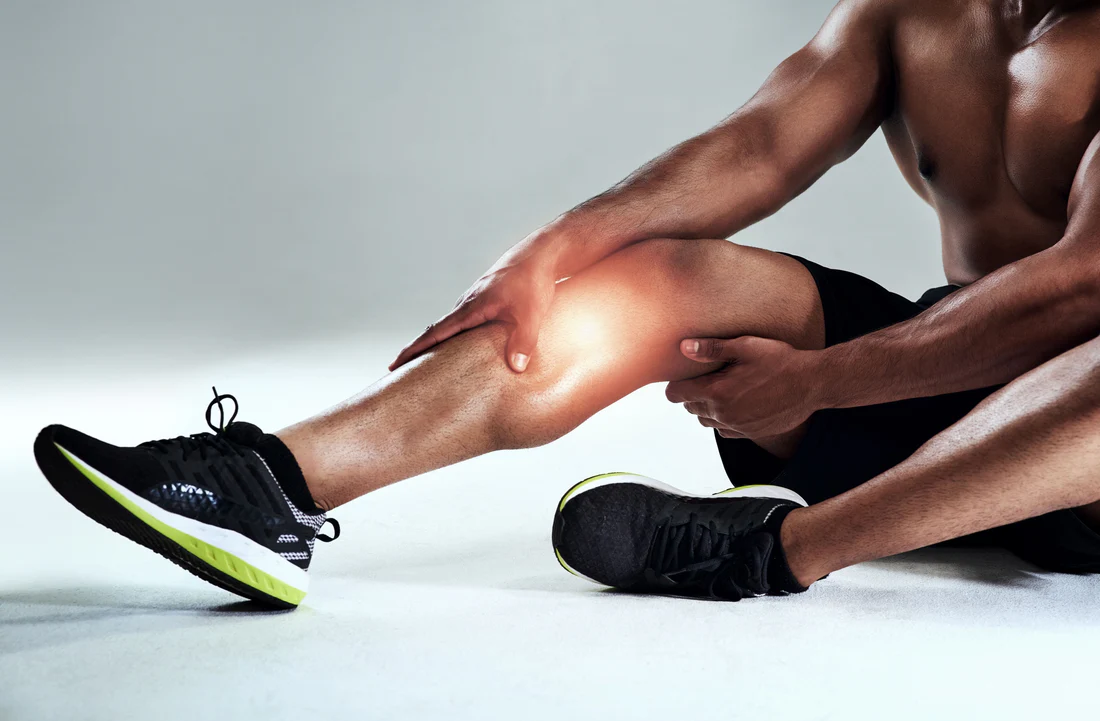
Cramps after a tough workout are one of those unwelcome guests in the fitness world. You finish your session feeling good, and then, bam, a muscle locks up, tightens, and refuses to let go. I’ve dealt with post-gym cramps enough times to know how disruptive they can be. Whether it’s my calves tightening during cooldown or my quads seizing hours later, it’s frustrating, uncomfortable, and sometimes downright painful. Like many others, I started looking for natural solutions to keep cramps at bay. One of the most frequently suggested remedies I came across was magnesium. That made me start asking: Can Magnesium Help With Post-Gym Cramps?
This question kept showing up in forums, conversations at the gym, and recovery podcasts. Magnesium kept coming up as a potential cramp-fighting mineral. I decided to dive deep, not only into the science but also through personal trial and error, to see if magnesium could genuinely help reduce or prevent post-gym cramping. Here’s everything I discovered along the way.
What Causes Post-Gym Cramps?
Before I could determine whether magnesium was helpful, I needed to understand what was causing my cramps in the first place. After intense workouts, especially those involving high reps or long endurance sessions, I noticed that muscle cramps would show up more frequently. The culprits? A combination of dehydration, electrolyte imbalance, muscle fatigue, and sometimes poor nutrition.
In some cases, I wasn’t stretching properly or skipping my cooldown altogether. Other times, I was low on sleep or under-fueled. But often, I was left scratching my head, wondering why a cramp would show up even when I felt like I had done everything right. That’s what prompted me to ask myself seriously: Can Magnesium Help With Post-Gym Cramps, or was I missing something else?
The Role of Magnesium in Muscle Function
Magnesium is a key mineral involved in over 300 biochemical reactions in the body. When it comes to muscle function, it plays a critical role in:
- Muscle contraction and relaxation
- Nerve transmission
- Regulating calcium and potassium levels
- Reducing inflammation
- Energy production (especially during workouts)
Magnesium works like a gatekeeper for muscle activity. When levels drop, muscle fibers can become overexcited, leading to involuntary contractions, aka cramps. Once I began to understand how essential magnesium is for neuromuscular balance, the question Can Magnesium Help With Post-Gym Cramps started to make a lot more sense.
Signs of Magnesium Deficiency
To assess if magnesium could be helping or hurting my recovery, I started paying attention to some of the warning signs of deficiency. A few symptoms I noticed when I was running low:
- Muscle twitches or cramps, especially in the calves and feet
- Poor sleep quality or frequent waking
- General fatigue, even on rest days
- Headaches or tension in my neck and shoulders
- Irregular heartbeat or elevated post-workout heart rate
If any of these sound familiar, it could be a clue that magnesium is worth looking into. I didn’t jump straight into supplements. Instead, I evaluated my current intake, added magnesium-rich foods to my meals, and slowly started experimenting with dosage.
Sources of Magnesium From Food
Before reaching for capsules, I always prefer trying natural food sources first. I focused on incorporating the following into my diet:
- Dark leafy greens like spinach and Swiss chard
- Pumpkin seeds, sunflower seeds, and almonds
- Avocados and bananas
- Whole grains like brown rice and oats
- Legumes, especially black beans and lentils
- Dark chocolate (yes, really)
Once I began loading up on magnesium-rich foods post-gym, I noticed a subtle difference. My muscles didn’t feel as tight, and I had fewer spontaneous cramps in the evening. But to really test the theory of Can Magnesium Help With Post-Gym Cramps, I needed to try direct supplementation.
Magnesium Supplements and Their Effectiveness
There are various forms of magnesium available in supplements, and not all are created equal. Some are more bioavailable than others, meaning your body absorbs and uses them more efficiently. Here’s what I found through trial and research:
- Magnesium Citrate: Easily absorbed and good for general supplementation
- Magnesium Glycinate: Known for calming effects and minimal digestive upset
- Magnesium Malate: Often used to support energy and reduce muscle fatigue
- Magnesium Oxide: Common in cheaper supplements but less bioavailable
- Magnesium Chloride or Magnesium Oil: Used topically for localized relief
I started with magnesium glycinate, taking it in the evening to support recovery and sleep. Within about a week, I noticed my post-gym cramps started decreasing. They weren’t gone entirely, but they were less intense and less frequent.
To target muscle areas directly, I also used magnesium oil spray on my calves and hamstrings after workouts. The cooling sensation was instant, and while it’s hard to prove the topical form was working on a cellular level, I did feel more relaxed and mobile the next day.
Dosage and Timing That Worked for Me
While the RDA for magnesium is around 400–420 mg for men and 310–320 mg for women, I found that my active lifestyle required more. I usually aim for 500–600 mg daily through a combination of food and supplements, especially on training days.
I take magnesium glycinate about 30 minutes before bed. On days when I’m particularly sore or if I had a high-volume leg session, I’ll also use magnesium oil spray on the targeted muscle groups. The combination seemed to work best for my body and gave me a more consistent recovery routine.
If you’re still wondering Can Magnesium Help With Post-Gym Cramps, this is where it starts to show practical results. It’s not a miracle cure, but with consistency, it definitely helps reduce both frequency and severity of cramps.
Other Electrolytes That Work With Magnesium
While magnesium plays a vital role, it doesn’t work in isolation. It needs to be balanced with other electrolytes to prevent cramping. Sodium, potassium, and calcium all interact with magnesium to regulate muscle contractions.
Here’s how I balance them:
- Sodium: I make sure to replace salt lost through sweat, especially after long or hot workouts. Sometimes that means adding sea salt to my water or drinking an electrolyte solution.
- Potassium: I get this mostly through bananas, potatoes, and coconut water.
- Calcium: I focus on leafy greens and dairy, depending on the meal plan.
Adding magnesium while ignoring the others didn’t give me the results I wanted. Once I built a recovery stack with all four electrolytes in mind, my cramps dropped significantly.
Stretching, Hydration, and Movement Still Matter
Magnesium is a great tool, but it’s not the only solution. I also make it a point to hydrate well before, during, and after training. I aim for at least three liters a day, more if I’ve had a long gym session.
Stretching also plays a big role. After workouts, I do static stretches for 10 to 15 minutes, targeting the major muscle groups I trained. Foam rolling helps, but even basic yoga poses like downward dog or pigeon stretch release tension that could otherwise lead to cramps.
Combining these practices with magnesium has created a more complete post-gym recovery routine. That’s where the answer to Can Magnesium Help With Post-Gym Cramps becomes clear: yes, but only as part of a holistic recovery strategy.
Sleep and Magnesium’s Cumulative Benefits
Magnesium has another benefit I hadn’t expected: better sleep. Because magnesium regulates neurotransmitters like GABA, it helps the nervous system calm down after intense workouts. Better sleep meant deeper recovery, which in turn reduced muscle tension and nighttime cramping.
I used to wake up in the middle of the night with sudden calf cramps. That hasn’t happened in months since I started being consistent with my magnesium intake and pre-sleep recovery habits. Quality sleep amplifies every aspect of recovery and is essential for reducing muscle cramping.
Final Thoughts and Takeaways
The question Can Magnesium Help With Post-Gym Cramps has a nuanced answer. For me, the answer is yes, but only when I use it correctly, consistently, and in combination with other good habits. It’s not a silver bullet, but it’s a powerful piece of the puzzle.
Here’s what’s worked best in my experience:
- Eating magnesium-rich foods daily
- Supplementing with magnesium glycinate in the evening
- Using magnesium oil on sore muscle groups
- Balancing other electrolytes like potassium and sodium
- Staying hydrated throughout the day
- Prioritizing sleep and post-workout stretching
If post-gym cramps are getting in the way of your progress or comfort, it’s worth experimenting with magnesium as part of your recovery plan. Just like training, recovery is individual, what works for one person may not work the same for another. But magnesium is one of those natural tools that’s backed by science, supported by athletes, and easy to implement.
I’ll continue to listen to my body, tweak my approach, and stay consistent. If muscle cramps return, I now have a solid toolkit to manage them, starting with magnesium. So yes, for anyone wondering Can Magnesium Help With Post-Gym Cramps, the answer is a confident and experienced yes, it absolutely can.
