
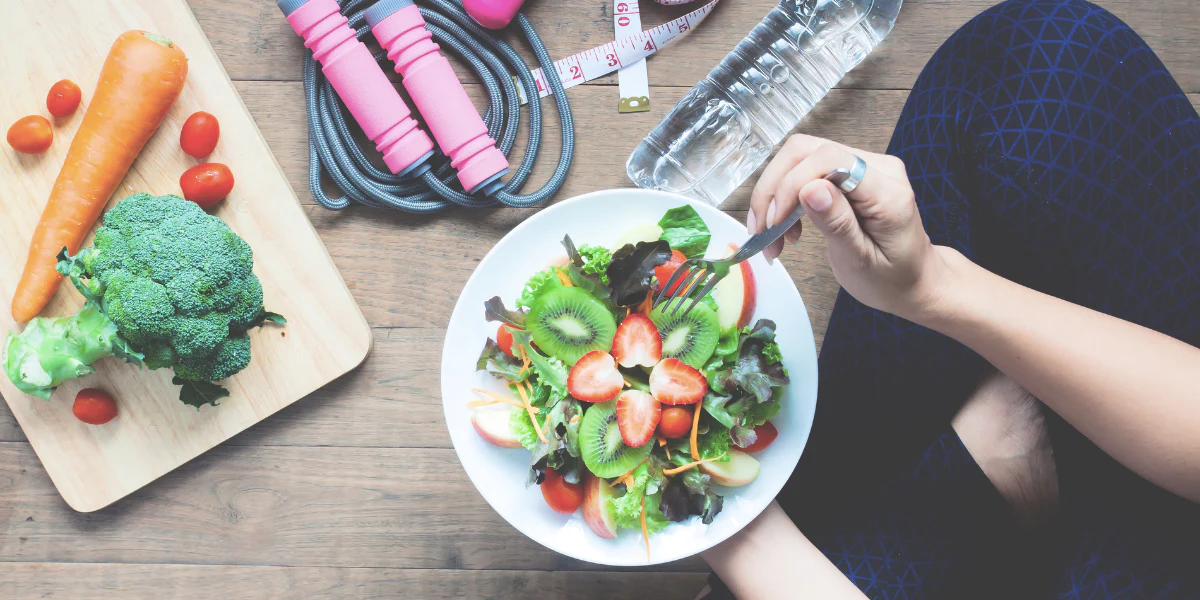
Every workout leaves its mark on the body. While that muscle soreness can feel like a badge of honor, it’s really just a sign that inflammation is doing its job. Inflammation is part of the natural recovery process, it helps rebuild and strengthen tissue, but too much of it can slow down recovery and even increase the risk of injury. That’s why I’ve started paying closer attention to what I eat post-workout. Choosing the best anti-inflammatory foods to eat after workouts has made a huge difference in how quickly I bounce back and how ready I feel for the next session.
Nutrition is more than just fuel for your workout; it’s also the repair kit your body uses after the job is done. Understanding how certain foods can reduce inflammation has helped me manage soreness, keep my joints feeling healthy, and get back to training with less downtime. These aren’t trendy fads or complicated superfoods, just smart choices rooted in science and experience.
Post-Workout Inflammation
After a tough workout, especially resistance training or high-intensity intervals, your muscles go through microscopic damage. That damage triggers inflammation, which brings blood flow, nutrients, and immune cells to start the healing process. While acute inflammation is a good thing, chronic or excessive inflammation can delay muscle repair and hurt overall recovery.
That’s where anti-inflammatory foods come in. They help your body regulate the inflammatory response so it stays productive rather than destructive. For me, incorporating the best anti-inflammatory foods to eat after workouts has helped reduce muscle stiffness and has even improved the quality of my sleep.
Omega-3 Fatty Acids: The Recovery Booster
One of my go-to post-workout nutrients is omega-3 fatty acids. These healthy fats, found in foods like salmon, sardines, walnuts, and flaxseeds, have been shown to reduce inflammation at the cellular level. After adding more omega-3s to my meals, I noticed I wasn’t getting as achy after hard sessions, and my joints felt more supported.
Salmon has become a staple in my weekly meal prep. I’ll usually pair it with a side of quinoa and roasted vegetables for a well-balanced, anti-inflammatory plate. I also toss flaxseeds into my smoothies or overnight oats to get that extra punch without much effort.
Leafy Greens: Natural Inflammation Fighters
Leafy greens like spinach, kale, Swiss chard, and arugula are packed with antioxidants, vitamins, and polyphenols that help neutralize free radicals, unstable molecules that cause inflammation. I try to include a generous serving of greens in at least one meal every day, especially after training.
A big spinach salad with grilled chicken, avocado, and olive oil makes an ideal post-workout meal. It’s light enough not to weigh me down but packed with nutrients that actively support recovery. The best anti-inflammatory foods to eat after workouts are often the ones that combine multiple benefits in one dish, and greens fit that description perfectly.
Berries: Sweet and Powerful
Blueberries, raspberries, strawberries, and blackberries are some of the most antioxidant-rich foods you can eat. They contain compounds called anthocyanins, which have been shown to reduce markers of inflammation and oxidative stress in the body.
I’ve started keeping frozen berries on hand at all times. They’re perfect for blending into a post-workout protein shake or stirring into Greek yogurt. Not only do they taste great, but they actively help my body heal and fight off excessive inflammation. Including berries regularly has become one of the easiest and most enjoyable ways I support my recovery.
Turmeric: Golden Spice for Sore Muscles
Turmeric isn’t just a spice, it’s a powerful anti-inflammatory agent. The active compound in turmeric, curcumin, has been studied extensively for its ability to reduce inflammation and aid in muscle recovery. I’ll often sprinkle turmeric into rice or blend it into a smoothie with banana, almond milk, and a pinch of black pepper (which boosts curcumin absorption).
When I want an extra recovery boost, I’ll sip on golden milk made with turmeric, coconut milk, cinnamon, and honey. It’s warm, soothing, and gives my body an anti-inflammatory nudge right when it needs it most. No list of the best anti-inflammatory foods to eat after workouts would be complete without this golden powerhouse.
Ginger: Sharp Flavor, Strong Results
Ginger, like turmeric, is well-known for its anti-inflammatory and digestive properties. After tough training days, I’ll grate fresh ginger into my meals or teas to help reduce muscle soreness and support my immune system. I’ve even started making a post-workout smoothie with ginger, pineapple, banana, and a scoop of protein, it’s refreshing and functional.
Adding ginger regularly has made a noticeable difference in how my muscles recover and how quickly I feel ready to go again. I especially lean on it during high-volume training weeks when inflammation can creep up without warning.
Nuts and Seeds: Small But Mighty
Almonds, walnuts, chia seeds, and flaxseeds are more than just snack food, they’re inflammation-fighting machines. Rich in omega-3s, fiber, magnesium, and antioxidants, these tiny foods pack a serious punch. I always have a small bag of almonds or mixed nuts in my gym bag for a quick, protein-rich snack.
After workouts, I often add chia or flaxseeds to my recovery shakes or mix them into overnight oats. They help support muscle repair, regulate blood sugar, and fight off the low-grade inflammation that can linger after hard sessions. Including a handful of nuts or a tablespoon of seeds post-training has become second nature.
Olive Oil: Liquid Gold for Recovery
Extra virgin olive oil is one of the healthiest fats you can include in your diet. It’s high in monounsaturated fats and contains oleocanthal, a compound that works similarly to anti-inflammatory drugs like ibuprofen. I drizzle olive oil over my post-workout salads or use it in cooking to boost the recovery properties of my meals.
It’s amazing how something so simple can have such a powerful effect. Since incorporating olive oil more deliberately, I’ve noticed less lingering joint discomfort and better overall digestion. It’s one of the best anti-inflammatory foods to eat after workouts that often flies under the radar.
Tart Cherry Juice: The Secret Weapon
Tart cherry juice may not be the most common post-workout drink, but it has become one of my secret weapons. Studies have shown it can significantly reduce muscle soreness and speed up recovery thanks to its high antioxidant content, particularly anthocyanins.
I’ll drink a small glass after especially grueling sessions, like heavy leg day or sprint intervals. It’s tangy, refreshing, and makes a real difference the next morning. I’ve even started freezing tart cherry juice into ice cubes and blending them into smoothies for an easy recovery boost.
Sweet Potatoes: Comfort Food That Heals
Sweet potatoes provide complex carbohydrates to replenish glycogen stores, plus they’re loaded with vitamins A and C, both of which have anti-inflammatory properties. They’re also high in fiber, which supports gut health, something I never realized was so tightly linked to inflammation.
I roast a batch of sweet potatoes every Sunday so I have them ready for the week. They pair well with lean proteins and leafy greens to create a powerful recovery meal. The best anti-inflammatory foods to eat after workouts aren’t just about muscle, they also nourish your immune system, digestion, and energy levels.
Avocados: Creamy Recovery Support
Avocados are rich in healthy fats, potassium, and antioxidants. Their creamy texture makes them an ideal addition to post-workout meals. I’ll often mash avocado on whole grain toast with a sprinkle of sea salt and hemp seeds or add slices to my salad or burrito bowl.
They help regulate inflammation and support hydration thanks to their high potassium content. Plus, they’re versatile, delicious, and satisfying. I never feel like I’m compromising flavor for function when avocados are on the plate.
Green Tea: Sipping on Recovery
Sometimes it’s not about what I eat, but what I drink. Green tea is a staple in my recovery ritual. It contains polyphenols and catechins that have strong anti-inflammatory effects. I’ll brew a cup after a training session or sip on it throughout the day to support ongoing recovery.
Unlike coffee, which can sometimes make me feel jittery post-workout, green tea offers a calming energy boost without the crash. It hydrates, soothes, and supports the recovery process with every sip.
Whole Grains: Carbs with Benefits
Oats, quinoa, brown rice, and whole grain bread offer more than just carbohydrates, they come with fiber, B vitamins, and minerals that help reduce inflammation and support metabolic recovery. I used to avoid carbs post-workout out of fear of “wasting my workout,” but I’ve since learned that well-chosen carbs are crucial.
Now, I make sure my meals include a balance of protein, healthy fats, and whole grains. That balance keeps me full, promotes muscle repair, and keeps inflammation in check. The best anti-inflammatory foods to eat after workouts often include these whole-food carbs that provide energy with substance.
Hydration and Anti-Inflammatory Benefits
While food gets a lot of attention, staying hydrated is just as important for recovery and inflammation management. Dehydration can amplify inflammation and slow down muscle repair. I try to drink plenty of water throughout the day, and I often add slices of lemon, cucumber, or mint to increase its appeal and add a few natural anti-inflammatory compounds.
Proper hydration supports nutrient transport, joint lubrication, and toxin elimination, all critical for effective recovery. While it’s not technically a food, hydration enhances the impact of every anti-inflammatory food I eat.
Making It a Routine
Building a recovery routine around anti-inflammatory foods didn’t happen overnight. It took time, experimentation, and observation. But now, it feels effortless. I meal prep with intention, snack with a purpose, and build my post-workout meals with an eye toward healing, not just hunger.
The best anti-inflammatory foods to eat after workouts have become the foundation of my diet, not just an add-on. They’ve helped me train harder, bounce back faster, and maintain long-term consistency in a way that simply wasn’t possible before.
Final Thoughts
Training breaks you down. Recovery builds you back up. And food is the bridge between the two. Learning which foods to prioritize and when to eat them has changed everything about how I approach post-workout nutrition. The best anti-inflammatory foods to eat after workouts don’t just make you feel better today, they set you up for strength, resilience, and performance tomorrow.
What’s on your plate after a workout can determine how your body responds, how fast it heals, and how ready you are to go again. Choosing foods that support recovery isn’t just smart, it’s essential. Fuel your body with what it needs, and it will reward you with energy, growth, and endurance you can feel.
