
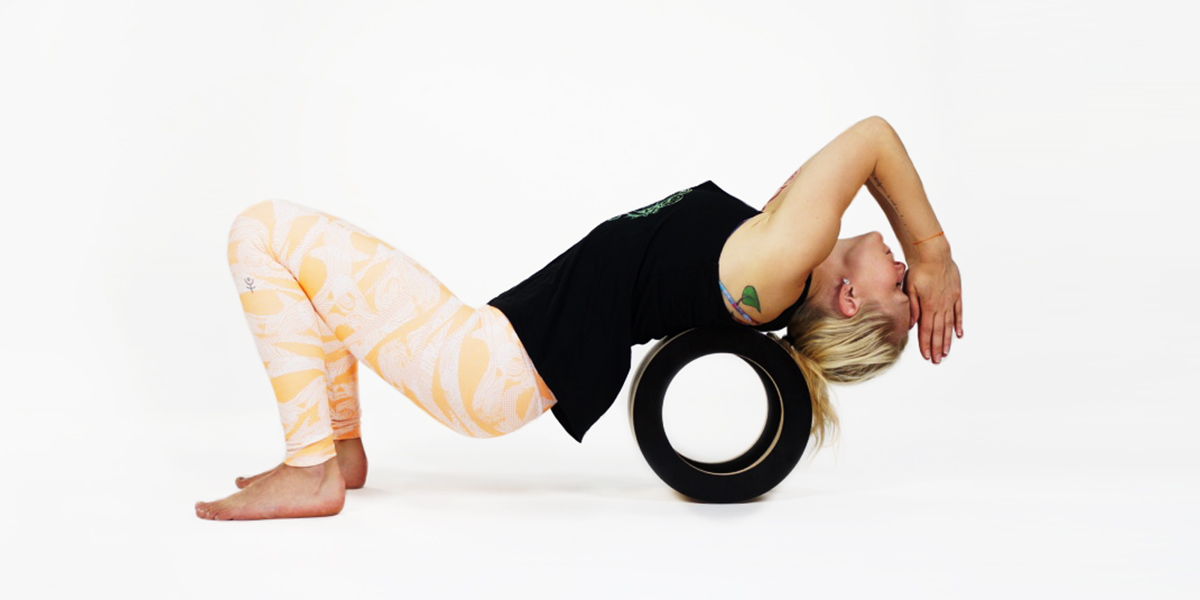
Mobility is one of those things that often gets ignored until something goes wrong. I used to be guilty of jumping straight into heavy sets without preparing my body. That changed the moment I started dealing with nagging aches, tight joints, and slow recovery times. It became clear that my warm-ups needed to go deeper than a quick jog on the treadmill or a couple of shoulder circles. That’s when I committed to including mobility work before every workout and on my rest days. Since then, my performance has improved, and most importantly, I’ve managed to stay injury-free.
Mobility isn’t the same as flexibility. Flexibility is your ability to lengthen muscles, but mobility is about how well your joints move through a full range of motion under control. It’s what allows a lifter to drop into a deep squat with proper form or a runner to stride efficiently without overloading the knees. In my experience, mobility routines to prevent workout injuries are essential for long-term gains and joint health. These routines don’t just warm you up, they activate stabilizing muscles, correct imbalances, and teach your body to move with efficiency.
Below is a complete breakdown of my go-to mobility routines, organized by major joint systems. Each movement serves a purpose, and together they create a well-rounded approach to injury prevention and overall athletic performance.
Neck and Shoulder Mobility
Tight shoulders and stiff necks are common issues, especially if you sit at a desk for most of the day. This tightness can easily translate to poor posture during workouts, increasing the risk of shoulder impingement or neck strain. I start most upper-body sessions by focusing on this area.
Controlled Neck Circles
I sit or stand tall, slowly moving my neck in a circular motion, forward, side, back, and around. The movement is slow and deliberate, and I avoid compressing the neck when tilting backward.
Benefits:
- Loosens cervical spine
- Reduces tension headaches
- Preps neck for loaded movements like shrugs or military press
Shoulder Dislocates with Resistance Band
Using a light resistance band, I hold it with a wide grip and bring it over and behind my head, then back to the front. The goal is to keep the arms straight while maintaining tension in the band.
Benefits:
- Opens up the chest
- Enhances shoulder joint mobility
- Improves posture for pressing and pulling
These two moves form the start of my upper-body mobility routine. They’ve helped improve overhead positioning and reduce shoulder strain, especially during bench and pull-up days.
Thoracic Spine Activation
Poor thoracic mobility can cause major problems during exercises that require spinal extension, such as squats, deadlifts, or overhead lifts. Before compound lifts, I spend time opening up my upper back.
Cat-Cow Stretch
I begin on all fours, alternating between arching my back (cow) and rounding it (cat). This flow wakes up the spine and connects breath to movement.
Benefits:
- Mobilizes the spine safely
- Improves posture awareness
- Promotes circulation around the vertebrae
Thoracic Rotations
From an all-fours position, I place one hand behind my head and rotate my torso, bringing the elbow toward the ceiling. I aim for 10 controlled reps per side.
Benefits:
- Increases spinal rotation
- Relieves tension in the mid-back
- Enhances stability for rotational sports
By adding thoracic work into my warm-up, I’ve noticed better squat posture and fewer issues with my lower back over time.
Hip Mobility
The hips are central to almost every movement, whether it’s squatting, jumping, or running. Poor hip mobility can lead to knee pain, lower back injuries, and decreased strength. Mobility routines to prevent workout injuries always include some version of hip work in my plan.
90/90 Hip Switches
Sitting on the floor with both legs bent at 90 degrees (one in front, one to the side), I rotate my knees from side to side, switching the direction of the hips.
Benefits:
- Strengthens internal and external rotation
- Prepares hips for dynamic movement
- Improves seated and squat mobility
Lizard Pose with Reach
I step one foot outside my hands from a high plank position, drop the back knee, and reach the same arm toward the sky while rotating my torso.
Benefits:
- Opens up the hip flexors
- Engages the core
- Activates glutes and obliques
On lower-body days, these hip openers are essential for me. They fire up the glutes and get my hips primed for deep movement.
Ankle and Knee Mobility
Healthy knees depend on mobile ankles. If your ankles are locked up, your knees will absorb more of the force, especially during squats, lunges, or jumps. I like to start every leg workout by giving attention to this area.
Ankle Dorsiflexion Drills
I kneel down with one foot in front and gently push my knee over my toes while keeping the heel grounded. I repeat this with a foam roller under my toes or with added weight for deeper activation.
Benefits:
- Improves squat depth
- Reduces strain on knees
- Enhances foot-ground contact
Knee Circles
With slightly bent knees, I place my hands on them and move in slow circles clockwise and counterclockwise. It’s old-school, but effective.
Benefits:
- Warms up the synovial fluid in the knee
- Prepares tendons for load
- Increases awareness of joint alignment
Since incorporating these, I’ve noticed less knee fatigue, especially during plyometric sessions or long cardio workouts.
Wrist and Elbow Mobility
For anyone who lifts, pushes, or holds a barbell, wrist and elbow health is critical. Front squats, push-ups, cleans, and even bench press all depend on these joints working smoothly.
Wrist Rolls and Palm Stretches
I extend my arms, make fists, and roll my wrists in both directions. Then, I stretch the fingers and palms by pressing them against the ground or wall.
Benefits:
- Loosens tight forearms
- Reduces wrist strain during pushing movements
- Prepares hands for grip-intensive work
Prone Elbow Extensions
Lying face down, I prop myself on my forearms and push up gently through my elbows, allowing the upper back and triceps to stretch.
Benefits:
- Stretches triceps and elbow capsule
- Prepares arms for overhead work
- Reduces joint impingement risk
Mobility routines to prevent workout injuries aren’t just about the big joints. Paying attention to wrists and elbows has saved me from flare-ups during barbell workouts.
Full-Body Flow for Active Recovery
On rest days or lighter sessions, I like to combine several mobility movements into a flow sequence. This doesn’t just feel good, it speeds up recovery and keeps my joints fluid.
Sample Mobility Flow (5–10 minutes)
- Downward Dog to Cobra Stretch
- World’s Greatest Stretch (Lunge + Reach)
- Scapular Push-Ups
- Pigeon Pose
- Seated Forward Fold
- Deep Bodyweight Squat Hold
This sequence helps reconnect the entire body, reduce soreness, and increase movement awareness. It’s a perfect way to reset without needing a full workout.
Making Mobility a Lifestyle
It’s not enough to do mobility drills once or twice a week. I’ve built these routines into my daily habits, five to ten minutes in the morning, pre-workout, or in the evening while watching TV. The more consistent I’ve been, the more fluid I feel. My joints are more reliable, and I haven’t had to sideline myself due to injury.
Mobility routines to prevent workout injuries should be as fundamental as your main lifts or cardio training. It’s preventative care for the athlete in all of us. I treat it like brushing my teeth, non-negotiable and vital for overall health.
Recovery Tools That Help
Alongside my mobility work, I use a few tools to get deeper into muscle tissue and fascia:
- Foam rollers for quads, lats, and calves
- Lacrosse balls for glutes, traps, and feet
- Resistance bands for assisted stretches
- Massage guns for post-workout soreness
These accessories don’t replace mobility drills, but they make a perfect complement. I often use them before or after stretching to reduce muscle tightness and increase blood flow.
Final Thoughts
Staying injury-free isn’t about luck, it’s about preparation. Over the years, I’ve learned that strength without mobility is a ticking time bomb. Incorporating mobility routines to prevent workout injuries has allowed me to train harder, recover faster, and feel more in control of my body. Each session becomes more productive because I’m not limited by stiffness or compensating for tight joints.
Mobility is an ongoing process. It evolves as my body changes and as I take on new challenges in training. Whether you’re a beginner or a seasoned athlete, it’s never too late to start. A few minutes each day can lead to years of pain-free, effective workouts. For me, that’s worth the effort every single time.
