
Rest days can feel strange, especially when your body is used to the rhythm of training hard. Waking up and not heading straight to the gym used to make me feel like I was losing progress. But over time, I realized rest isn’t just about doing nothing, it’s an essential piece of any serious fitness routine. Learning what to do on a gym rest day for active recovery changed how I viewed those off days. They’re not a break from growth; they’re an opportunity to support it.
Active recovery is about staying gently active in ways that help your body repair, restore, and prepare for your next workout. It’s not an excuse to lay on the couch all day, nor is it a disguised high-intensity session. It’s a focused approach to movement and self-care that complements the work you do in the gym.
In this article, I’m going to share what I’ve learned about making the most of rest days through active recovery. This guide isn’t theoretical, it’s built from real-world trial, experience, and a relentless desire to stay consistent, healthy, and injury-free.
Why Active Recovery Works
Before jumping into the practical stuff, it’s worth understanding why active recovery matters. After training, whether you’re lifting, sprinting, or doing circuit work, your muscles go through microscopic damage. This damage is necessary for muscle growth and strength gains, but only if it’s followed by repair.
Sitting completely still on a rest day can leave muscles stiff and slow to heal. Light movement, on the other hand, increases blood flow, flushes out metabolic waste, and delivers nutrients to recovering tissues. This doesn’t just make you feel better, it helps speed up the entire recovery process. That’s why knowing what to do on a gym rest day for active recovery is so important.
Go for a Walk or Easy Hike
Walking has become one of my favorite rest day habits. It’s simple, accessible, and surprisingly effective. A 30- to 60-minute walk gets blood circulating without putting any strain on the joints or nervous system. I often use this time to listen to a podcast, reflect on my goals, or just clear my head.
If you’ve got access to nature trails, an easy hike is even better. The uneven terrain wakes up different muscles, the fresh air is mentally refreshing, and the low-intensity effort keeps your body moving without overexertion.
Walking has helped me recover faster, sleep better, and even stay leaner during heavy training blocks. It may sound too basic, but don’t overlook the power of a brisk walk on your rest day.
Mobility Work and Stretching
Mobility work is where I’ve seen some of the biggest returns from active recovery. Using rest days to open up tight hips, shoulders, or ankles has made my lifts more efficient and safer. It’s not just about feeling looser, it’s about moving better under load.
I spend about 20–30 minutes on mobility drills that target the areas I know tend to tighten up from training. That includes deep lunges with a twist, hip openers, thoracic spine rotations, and shoulder band dislocates. I follow that up with gentle static stretching for major muscle groups, hamstrings, quads, calves, chest, and lats.
This kind of session doesn’t leave me sore. Instead, it gives me a sense of space and lightness in my body. It’s one of the best ways to support recovery while still staying active. If you’re wondering what to do on a gym rest day for active recovery, this should be high on the list.
Low-Intensity Cardio
Swimming, cycling, or using the elliptical at a light pace can be great options on a rest day. These activities elevate your heart rate slightly, but not enough to stress your system. I like to keep my heart rate in the “zone 2” range, about 60–70% of my max. It’s enough to sweat, but not enough to tax the nervous system or cause muscle breakdown.
Swimming, in particular, is a favorite. The water reduces impact on joints while gently engaging the entire body. A 20-minute easy swim leaves me feeling refreshed, and my muscles feel looser afterward. If I can’t get to a pool, a light spin on a stationary bike or a low-impact jog works well too.
The key is to move without intensity. You want to feel better afterward, not wiped out. This is a core principle of what to do on a gym rest day for active recovery.
Foam Rolling and Self-Myofascial Release
I’ll be honest: I used to skip foam rolling because it didn’t feel as “productive” as lifting or conditioning. But that changed once I made it a regular part of my rest day routine. Rolling out tight quads, IT bands, glutes, and calves makes a huge difference in how I feel the next day.
Using a foam roller, lacrosse ball, or massage gun for 10–20 minutes can release knots, improve tissue quality, and increase range of motion. I usually combine it with mobility drills and stretching for a full-body tune-up. It’s one of the most effective passive recovery tools I’ve found, and it feels amazing after tough sessions.
Adding foam rolling to your rest day is one of the simplest answers to the question of what to do on a gym rest day for active recovery. It’s easy, affordable, and incredibly effective.
Yoga and Breathwork
Yoga isn’t just for flexibility, it’s a powerful tool for balancing out the high-intensity demands of weight training or cardio. I use rest days to go through a slow yoga flow, focusing on long holds, deep breathing, and posture alignment. It helps release tight areas while calming my nervous system.
Pairing yoga with breathwork has a powerful effect. I’ve noticed that slow, nasal breathing reduces tension, improves focus, and helps me sleep better. These practices don’t just benefit recovery, they improve how I perform mentally and physically when I return to training.
If you’re unsure what to do on a gym rest day for active recovery, try a short yoga session. Even just 20 minutes can leave you feeling renewed.
Eat With Recovery in Mind
Active recovery isn’t only about movement, it’s also about nutrition. I treat rest days as an opportunity to nourish my body deeply. That means focusing on whole foods, plenty of protein, and anti-inflammatory nutrients like omega-3s, turmeric, and leafy greens.
I usually keep carbs moderate, since I’m not burning as much energy. But I don’t restrict too much either. Rest days are about repair, and that requires nutrients. I also stay hydrated, especially if I’m foam rolling, walking, or sweating during light activity.
Feeding your recovery properly can make a noticeable difference in how sore or sluggish you feel the next day. It’s an overlooked part of what to do on a gym rest day for active recovery, but a critical one nonetheless.
Catch Up on Sleep
Sleep is the most powerful recovery tool we have. On rest days, I prioritize quality sleep as much as possible. I might take a short nap or go to bed an hour earlier than usual. Giving my body extra rest during non-training days amplifies the repair process.
I also use rest days to reduce screen time, avoid caffeine in the afternoon, and wind down with calming routines like journaling or stretching. The quality of my sleep affects how I perform in the gym, how I recover, and how motivated I feel to train. It’s non-negotiable.
If you’re building a list of what to do on a gym rest day for active recovery, make sleep a top priority. Nothing else you do will be as effective without it.
Reflect and Reset Goals
Active recovery isn’t just about the body, it’s also a mental reset. I use rest days to check in on my progress, review my training journal, and set micro-goals for the upcoming week. Sometimes I’ll reassess my program and decide if adjustments are needed based on how I’m feeling.
Rest days also give me time to reconnect with why I train. Whether it’s to build strength, stay healthy, or challenge myself, reminding myself of the bigger picture helps me stay consistent.
Having a mental refresh on your day off strengthens the mind-body connection and keeps motivation high. That mindset shift is a powerful part of what to do on a gym rest day for active recovery.
Try a Recovery Session or Therapy
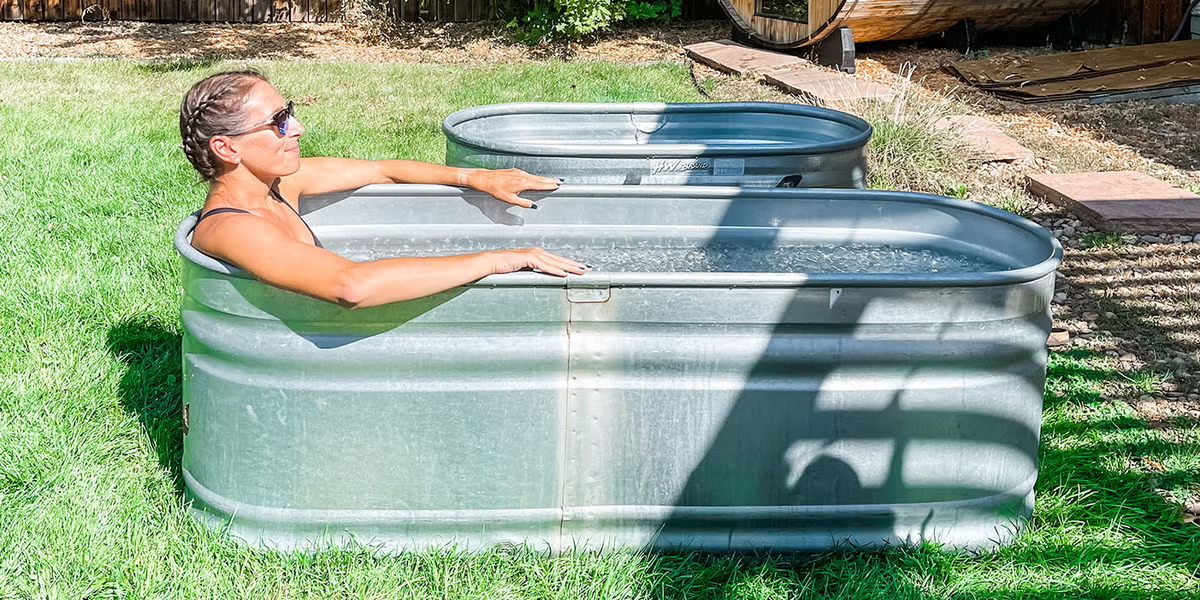
If I’m feeling particularly beat up, I’ll book a massage, stretch therapy session, or cryotherapy. These are luxury options, but when used occasionally, they can make a big difference. Even just a sauna session followed by cold exposure has helped reduce soreness and elevate my mood.
I treat these like maintenance, similar to changing oil in a car. If you push your body hard, investing in high-quality recovery methods can keep you in the game longer and reduce injury risk.
Not everyone has access to recovery centers, but even doing a hot bath with Epsom salts or a 10-minute contrast shower at home can deliver benefits. The goal is to support your body, not stress it further.
Avoid the Temptation to Overdo It
One of the biggest mistakes I’ve made is treating rest days like bonus training sessions. I’ve pushed too hard on “easy” hikes, gone all out on the bike, or done a high-intensity circuit because I couldn’t sit still. The result? Delayed recovery, nagging soreness, and subpar performance the next training day.
Active recovery should feel restorative, not exhausting. You shouldn’t be dripping in sweat or chasing performance metrics. You should finish your rest day activities feeling better than when you started.
That self-awareness is crucial. If you’re asking what to do on a gym rest day for active recovery, remember that moderation and intentionality matter just as much as movement.
Final Thoughts
Learning what to do on a gym rest day for active recovery has completely changed how I approach fitness. Instead of seeing rest as lost time, I now see it as one of the most important elements of growth. It’s the space where the hard work pays off, where the body rebuilds, the mind resets, and progress takes root.
My routine is always evolving, but some form of light movement, mobility, nourishment, and rest always makes its way into my rest days. That balance has helped me stay injury-free, avoid burnout, and keep enjoying the process.
So if you’re serious about your fitness journey, don’t overlook your off days. Use them wisely. Move with purpose, recover with intent, and trust that your body knows how to rebuild stronger, so long as you give it what it needs.
