
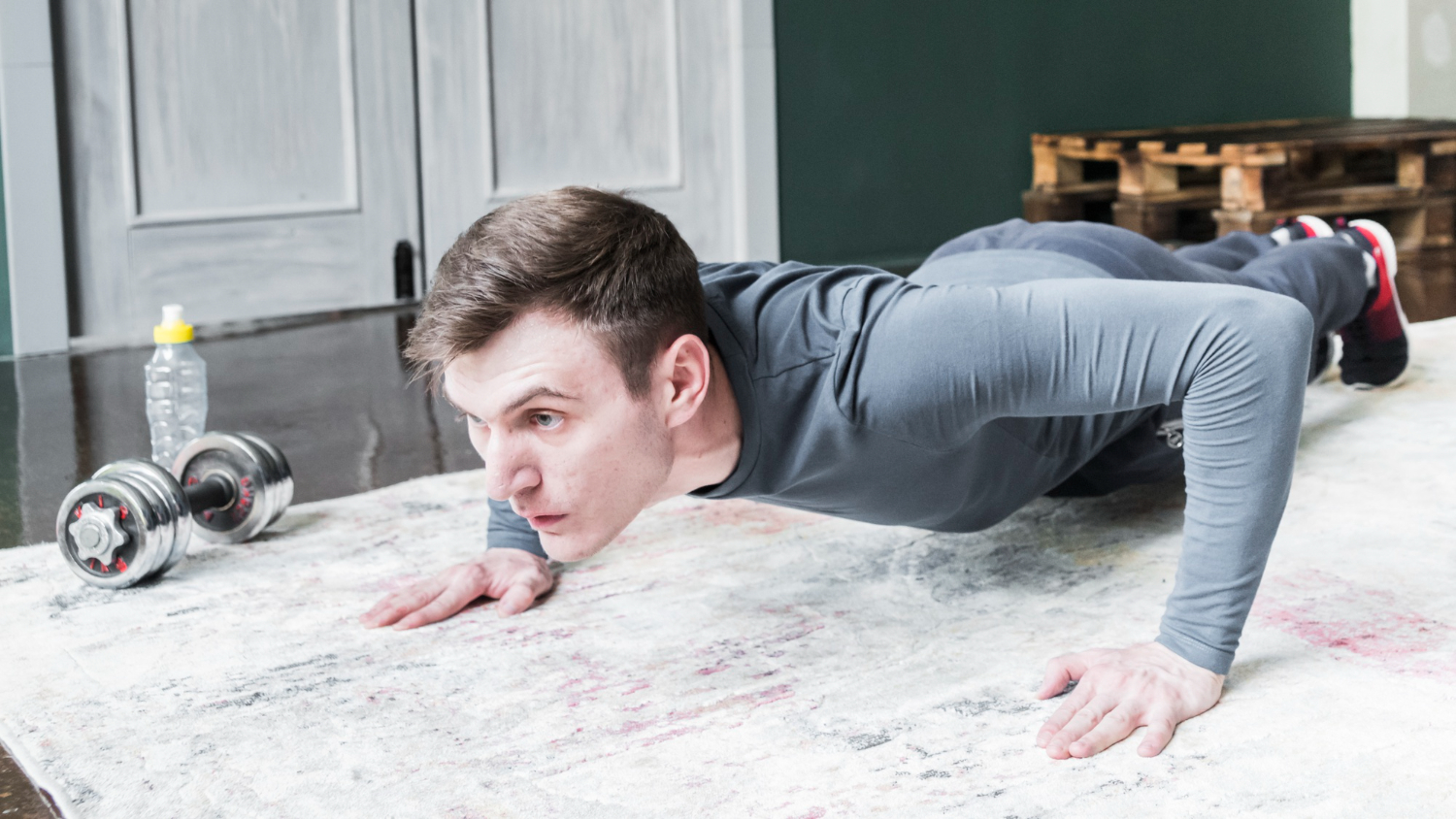
There’s a moment after a brutal workout when I know my body is going to hate me tomorrow. My muscles feel heavy, my lungs are still burning, and even tying my shoes feels like a workout of its own. That’s when the real challenge begins ,not the training itself, but how quickly I can recover and get ready for the next session.
For years, I treated recovery as an afterthought. I’d push hard in the gym, then wonder why I felt sluggish, sore, and unmotivated the next day. Over time, I learned that recovery isn’t passive ,it’s something you can actively train, just like strength or endurance. The faster you bounce back, the more consistent your training becomes, and consistency is what drives results.
Here are the recovery strategies I now swear by ,habits and tools that have taken me from feeling wrecked after workouts to bouncing back stronger than before.
Hydration: More Than Just Drinking Water
I used to think recovery drinks were gimmicks until I realized hydration is about more than just replacing fluids. After intense workouts, I make it a point to replenish electrolytes ,sodium, potassium, and magnesium ,because those minerals keep my muscles firing properly.
Plain water is good, but when I started adding electrolyte powders or even just a pinch of salt and lemon juice, my post-workout fatigue and cramps dropped noticeably. It’s a simple trick, but one that makes a huge difference.
Active Recovery Beats Complete Rest
Here’s a mistake I made early on: taking “rest days” that were basically me glued to the couch. The problem? I’d feel stiff, tight, and even more sore the next day.
Now, I do active recovery: light biking, swimming, yoga, or just a long walk. Moving keeps blood flowing to sore muscles, which speeds up repair. It doesn’t need to be intense ,actually, the lighter the better ,but it keeps me from feeling like a statue the next day.
Nutrition: Fueling Repair
I’ll be honest, I didn’t pay much attention to post-workout meals until I noticed how sluggish I felt without them. What I eat after a workout makes a massive difference in recovery speed.
Here’s my go-to formula:
- Protein to repair muscle (a shake, chicken, or Greek yogurt).
- Carbs to refill glycogen (rice, oats, or fruit).
- Healthy fats for inflammation control (avocado or nuts).
When I nail this balance, I don’t just feel less sore ,I feel ready to train again much faster.
Mobility Work & Stretching
After leg days, stretching used to feel like torture, so I’d skip it. Big mistake. Tight hips and hamstrings slowed my recovery more than the workout itself.
These days, I keep it simple: 10–15 minutes of mobility drills after training. A few deep lunges, hip openers, and thoracic twists go a long way. Foam rolling is another secret weapon ,it hurts at first, but it makes my muscles feel brand new afterward.
Cold & Heat Therapy
I used to think ice baths were only for pro athletes, but I gave them a shot after a marathon training block. Shockingly, they worked. The cold reduced inflammation and soreness, and I recovered faster for my next run.
On the flip side, heat ,like saunas or hot showers ,helps me relax and loosen up tight muscles. I alternate between the two depending on how my body feels. Cold when I’m inflamed, heat when I’m stiff. It’s not magic, but it works.
Sleep: The Non-Negotiable
No matter how well I hydrate, eat, or stretch, nothing beats sleep. If I cut corners here, everything else suffers. I aim for 7–9 hours, and I notice that deep, uninterrupted sleep is when my body actually repairs muscle tissue and restores energy.
To make it easier, I keep my room cool, avoid scrolling my phone before bed, and stick to a consistent routine. It’s not glamorous, but it’s the single most powerful recovery tool I’ve ever found.
Listening to My Body
This might be the biggest secret of all. There are days when I can push through soreness, and days when I know my body needs more recovery. Ignoring that instinct used to leave me overtrained and injured.
Now, I track my energy levels, heart rate, and even mood to decide how hard to go. Recovery isn’t one-size-fits-all, and sometimes the best thing you can do is step back, recharge, and come back stronger.
Final Thoughts
I used to think recovery was about waiting. Now I know it’s about action ,hydrating properly, fueling with the right foods, moving on rest days, and prioritizing sleep. These aren’t shortcuts; they’re part of the training process itself.
When I started treating recovery as seriously as my workouts, everything changed. My strength went up, my endurance improved, and my motivation skyrocketed. If you’ve ever felt stuck in the cycle of soreness and fatigue, try some of these recovery secrets. Trust me ,your body will thank you, and your next workout will prove it.
