
I walked into the gym with nothing but a pair of sneakers, a water bottle, and the belief that accessories were just for show. I’d see guys strapping on belts, wrapping up their wrists, or pulling on gloves, and I’d think to myself, “Do they really need all that?”
Fast forward a few years, and I have a very different perspective. Through trial, error, and plenty of sore joints, I’ve learned that the right accessories can either make or break your performance. Some are game-changers that boost strength, safety, or longevity in the gym. Others? Well, they’re more hype than help.
Let me walk you through my personal experience with the most common gym accessories ,from gloves to belts ,and whether they really make a difference.
Gloves: Grip or Gimmick?
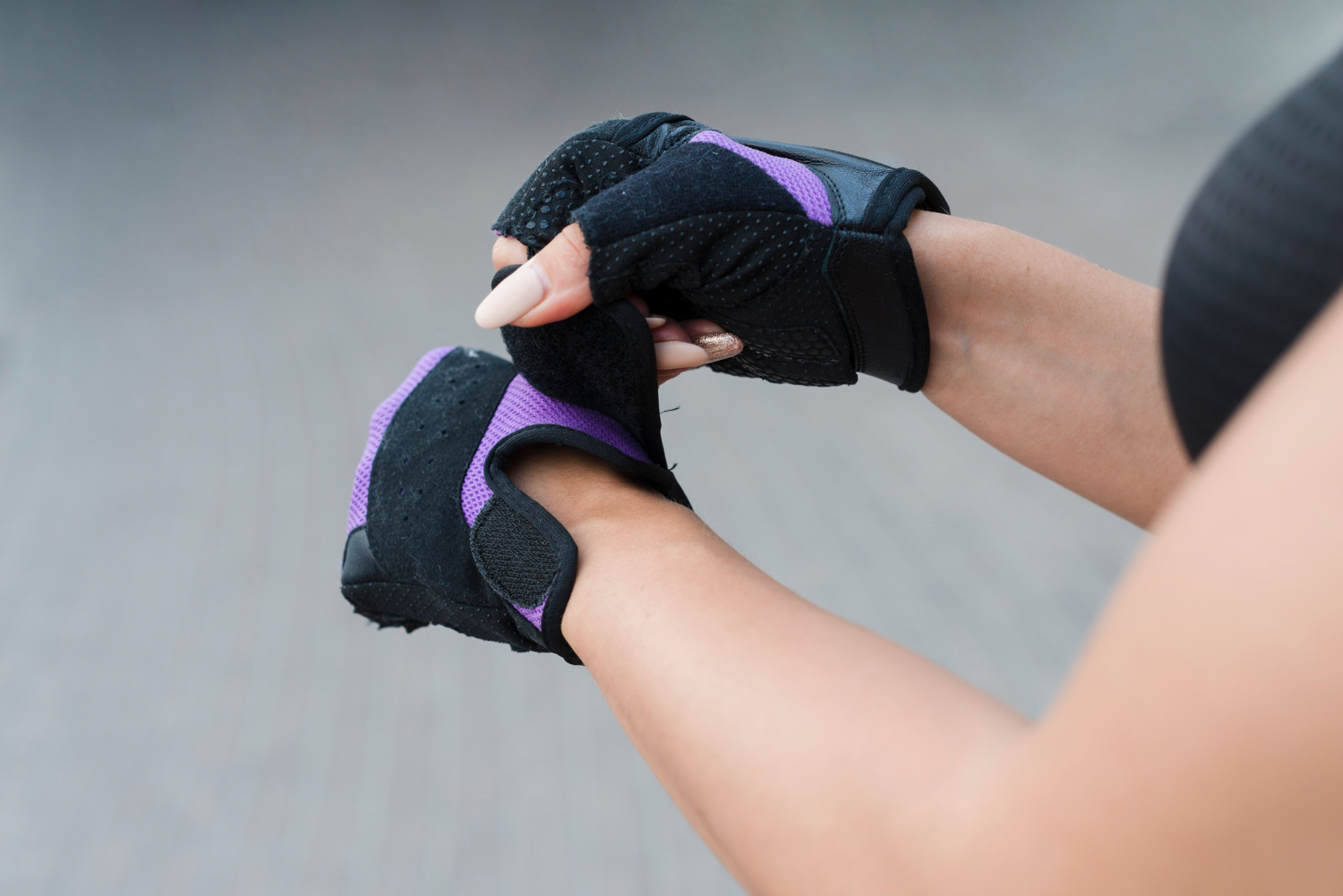
Like a lot of beginners, I bought my first pair of gym gloves to avoid calluses. I hated the thought of my palms getting rough, so gloves felt like a logical solution. At first, they worked. My hands stayed smooth, and I had a little extra cushioning on the bar.
But here’s the problem I ran into: gloves often weaken your grip strength. That extra padding can actually make it harder to hold heavy weight. I noticed this especially with deadlifts ,my fingers would slip even though the gloves were supposed to “help.”
These days, I don’t use gloves anymore. Instead, I’ve embraced the calluses as badges of honor and use chalk when I need better grip. That being said, I won’t dismiss gloves completely. For high-rep circuit training, kettlebell work, or anyone dealing with sensitive hands, gloves can help. But for pure strength training, they didn’t make much difference for me beyond comfort.
Lifting Straps: The Grip Saver
If gloves were underwhelming, lifting straps were the opposite. I remember hitting a plateau on deadlifts because my grip would fail before my back or legs did. Once I started using straps, it was like removing a ceiling. Suddenly, I could lift heavier and focus on the muscles I actually wanted to train.
The first time I pulled 405 pounds with straps, I realized just how much grip was holding me back. Now, I don’t rely on straps for every set ,I still train grip naturally ,but when I’m chasing a new personal best, straps make a huge difference.
So in my experience, straps are worth it if your grip is the limiting factor. They don’t replace grip training, but they give you the ability to overload the muscles that matter most.
Wrist Wraps: Small but Mighty
When I started pushing heavier weights on bench press and overhead press, I noticed my wrists would bend backward under the bar. That not only hurt, but it also made me unstable.
Enter wrist wraps. At first, I thought they were just a flashy accessory. But once I tried them, I realized how much support they actually provide. Wraps keep your wrists aligned and allow you to press heavier without pain or wobble.
For me, wrist wraps are essential when I’m going heavy on presses. I don’t use them for warm-up or lighter sets because I want my wrists to stay strong naturally, but when it’s time to push close to my max, they make a big difference.
Weightlifting Belts: Myth vs. Reality
Ah, the belt. Few accessories are as misunderstood as the weightlifting belt. I used to think wearing one was cheating, like it magically added pounds to your squat or deadlift. The truth is, belts don’t lift the weight for you ,they help you brace more effectively.
The first time I wore a belt, I didn’t feel much. But then I learned the proper way to use it: push my core against the belt, create intra-abdominal pressure, and stabilize my spine. Suddenly, I understood why powerlifters swear by them.
With a belt, I can squat and deadlift heavier without feeling like my lower back is on the verge of giving out. It doesn’t replace core strength, but it enhances it. Now, I consider my belt one of the most important accessories in my bag.
Knee Sleeves: Worth the Hype?
I held off on buying knee sleeves for a long time. My knees didn’t hurt, so I didn’t think I needed them. But once I tried them, I realized they offer more than just pain relief.
Knee sleeves keep my joints warm, give me a little compression, and make me feel more stable during squats and lunges. Do they add pounds to my lifts? Not really. But they make training more comfortable, and that indirectly helps performance because I can train harder, longer, and with more confidence.
Elbow Sleeves: A Lifesaver for Pressing
Like knee sleeves, elbow sleeves are underrated. I went through a phase of nagging elbow pain from heavy benching and dips. Adding sleeves provided warmth, compression, and stability. Within a few weeks, I noticed less pain and better recovery.
Do they make me stronger? No. But they kept me consistent, and consistency is what really builds strength over time.
Chalk: The Secret Weapon
If I had to recommend one cheap, no-frills accessory that actually makes a difference, it’s chalk. A little chalk on my hands during deadlifts, pull-ups, or rows makes grip issues disappear. It’s simple, effective, and instantly noticeable.
The first time I used chalk, I hit a new PR on deadlifts. That alone convinced me it deserves a permanent place in my gym bag.
My Honest Takeaway
So, do accessories like gloves, belts, and wraps really make a difference? Here’s how I see it after years of lifting:
- Game-Changers: Belts, straps, wrist wraps, chalk. These directly improve performance and allow you to train heavier, safer, or more effectively.
- Helpful, Not Essential: Knee sleeves, elbow sleeves. They don’t boost strength but they improve comfort and consistency.
- Mostly Optional: Gloves. Fine for comfort, but they don’t offer much in terms of performance.
The truth is, accessories aren’t shortcuts. They don’t replace hard work, good form, or smart programming. But when used the right way, they absolutely give you an edge.
For me, the difference was night and day. Once I embraced the right accessories, my lifts improved, my injuries decreased, and my confidence skyrocketed. Today, my gym bag isn’t just full of random gear ,it’s filled with tools that help me perform at my best.
Final Thoughts
At the end of the day, it comes down to your goals. If you’re casually training for health, you may not need anything beyond good shoes and a water bottle. But if you’re chasing strength, size, or performance, the right accessories can be the difference between progress and plateau.
I used to laugh at people strapping on gear before every set. Now? I’m one of them. And I can honestly say that from gloves to belts, the right accessories do make a difference ,if you know how and when to use them.
