
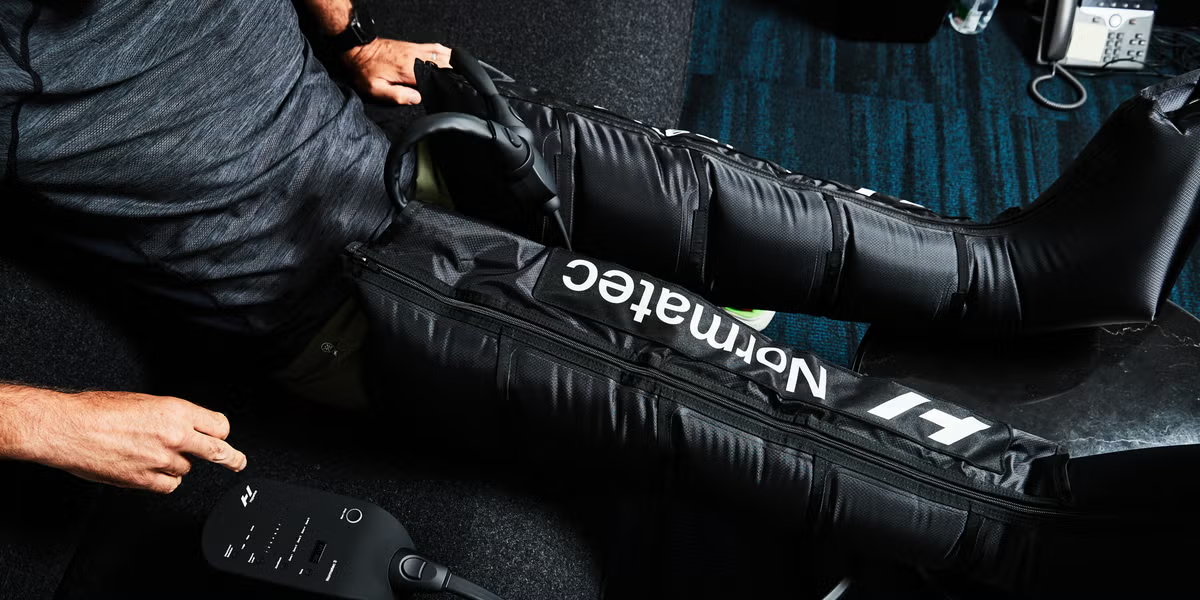
Recovery has become just as important to my routine as training itself. With more emphasis on reducing downtime between sessions, I’ve been exploring a variety of recovery tools. One comparison that kept coming up was compression boots vs sleeves. Both claim to help reduce muscle soreness, improve circulation, and enhance performance over time, but choosing between them isn’t as straightforward as it may seem.
I’ve used both options for weeks at a time, after everything from heavy leg days to long-distance runs. Each method offers unique benefits, and each has limitations that are worth discussing. Deciding which one to invest in comes down to understanding how they work, your training intensity, your recovery needs, and what you expect from your recovery gear.
So if you’re debating compression boots vs sleeves, and trying to figure out which one will give you better results for your budget, this deep dive should clear things up.
Compression Gear for Recovery
Compression is nothing new in the athletic world. Long-distance runners, powerlifters, CrossFit athletes, and even weekend gym warriors have turned to compression to help improve performance and recovery. Whether in the form of sleeves or full-blown boots, the principle is the same, applying controlled pressure to muscle groups to improve circulation, reduce inflammation, and speed up the removal of metabolic waste like lactic acid.
Sleeves are typically elastic garments that fit snugly around limbs, while boots are electronic devices that use pneumatic air pressure to compress different parts of the leg in cycles. Both aim to increase blood flow and lymphatic drainage. The difference lies in how they deliver that pressure and how deeply they impact recovery.
How Compression Boots Work
Compression boots are essentially high-tech sleeves that use chambers to inflate and deflate in a sequence. This creates a massage-like effect that promotes blood flow and mimics the natural muscle pump you get from movement. Most compression boots cover the foot all the way up to the thigh, and depending on the model, you can adjust pressure levels, timing, and cycle patterns.
I’ve used compression boots after long leg days or endurance workouts, especially when I know I won’t be doing much walking around afterward. The session feels like a professional massage, with a wave of pressure moving upward. It’s incredibly relaxing and leaves my legs feeling lighter and less sore within 30 to 45 minutes.
For those serious about recovery and willing to dedicate time to passive recovery, compression boots offer a high-end experience. They’re a sit-back-and-let-it-do-the-work kind of tool, and for that reason, they appeal to athletes looking for maximum benefit with minimal effort.
How Compression Sleeves Work
Compression sleeves work on a more traditional model of constant, static pressure. They’re usually made from nylon and spandex blends and come in various lengths, from calf sleeves to full-leg options. While they don’t require any machines or electricity, they still promote circulation and provide joint support.
I like to wear sleeves during or immediately after workouts, particularly on days when I’m moving around a lot afterward. They help prevent my legs from swelling, and I’ve noticed reduced soreness after long walking or standing periods. They also help keep muscles warm, which reduces stiffness and potential injury, especially when doing repetitive movements.
Because they’re lightweight and wearable on the go, compression sleeves are incredibly practical. You can wear them during workouts, during travel, or while sleeping. They’re ideal for those looking for passive recovery while still being mobile.
Comparing Effectiveness
Now let’s get into the heart of the matter: compression boots vs sleeves in terms of actual recovery results. In my experience, both tools are effective, but they excel in different scenarios.
Compression boots provide a deeper, more comprehensive treatment. The pulsing cycles mimic lymphatic drainage massage and offer more targeted stimulation. After using them, my legs feel flushed of soreness, and I can usually hit another workout sooner than expected. They work especially well after lower-body training or high-impact cardio.
Sleeves, on the other hand, offer more subtle and long-term benefits. They shine in recovery maintenance. Wearing them daily helps reduce muscle fatigue and swelling, and they’re excellent at preventing soreness rather than treating it. They don’t give the immediate “ahh” sensation that boots do, but they’re reliable, consistent, and easy to use on a regular basis.
If I’ve had a particularly grueling session or am prepping for a race or max lift day, I’ll go with the boots. If I’m managing day-to-day inflammation or dealing with minor shin splints or calf tightness, sleeves are my go-to.
Cost and Accessibility
One major difference between compression boots vs sleeves is the price. Compression boots can cost anywhere from $300 to over $1,000, depending on the brand and features. That makes them a serious investment. They also take up more space and need an outlet or battery pack.
Compression sleeves, by contrast, usually range between $20 and $60 per pair. You can own several sets and rotate them without a second thought. They’re low-maintenance, washable, and require no setup. For a budget-conscious gym-goer or someone new to recovery tools, sleeves are the obvious starting point.
For me, it made sense to start with sleeves and upgrade to boots later. Once I saw the value of compression in my daily recovery, I knew investing in boots would enhance that benefit. But if I had to choose only one based on cost and practicality, I’d still give sleeves the edge for their affordability and everyday convenience.
Portability and Convenience
Compression sleeves win this category easily. I throw mine in my gym bag, keep a pair in my car, and even travel with them. You can wear them under your workout clothes or even during a long flight. They don’t require any downtime or scheduled recovery session.
Boots, while effective, are bulkier and less convenient. You need to sit or lie down to use them. They’re great for recovery sessions at home, but not exactly practical if you’re in a rush or on the go. If you live a busy lifestyle or travel often, sleeves are the clear winner.
That said, if you have a dedicated recovery space or time carved into your routine, boots provide a much more intense and relaxing experience. I personally enjoy using them while watching Netflix or listening to music in the evening.
Who Should Choose Compression Boots
If you’re a competitive athlete, train at high volume, or experience frequent delayed-onset muscle soreness (DOMS), compression boots are a fantastic investment. They’re perfect for marathon runners, powerlifters, cyclists, and CrossFit athletes who need targeted, high-level recovery.
They’re also ideal for individuals rehabbing an injury under the guidance of a physical therapist. The controlled inflation and deflation cycles provide a level of precision that sleeves can’t replicate.
Boots make recovery feel luxurious, and if you value that kind of focused downtime and relaxation, you’ll likely appreciate the experience and long-term benefits.
Who Should Choose Compression Sleeves
If you’re training recreationally, working out 3 to 5 times per week, or managing tight muscles during day-to-day activities, sleeves are likely the better fit. They’re subtle, low-profile, and keep muscles supported during light activity. I find them especially useful on active recovery days when I’m doing light cardio, hiking, or walking.
Sleeves are also an excellent option for beginners or anyone unsure about how committed they are to recovery tools. They offer enough benefit to improve your training outcome without requiring a big investment or a learning curve.
For most people just looking to reduce post-workout swelling, promote circulation, and prevent soreness, sleeves do the job efficiently and affordably.
My Final Verdict
The debate between compression boots vs sleeves really boils down to your recovery goals, lifestyle, and budget. I’ve benefitted from both, and if possible, I recommend having both in your arsenal. But if I had to make a choice, I’d ask myself three things:
- How intense is my training? If you’re training at elite levels or several times a day, boots will give you the recovery edge.
- How much time do I dedicate to recovery? If you have 30–60 minutes daily to sit and unwind, boots will serve you well. If not, sleeves are better suited to your schedule.
- What’s my budget? If spending $500+ isn’t feasible, don’t stress, sleeves can still offer excellent recovery support.
For me, compression boots are a luxury that feel like a reward after a hard training cycle. Sleeves, on the other hand, are part of my daily uniform. I wear them during errands, walks, and even while working at a desk. Both play a role, but they serve different purposes.
So, in the question of compression boots vs sleeves, which should you buy? Buy the one you’ll actually use. That’s the one that will give you the most benefit in the long run. And if you find yourself constantly reaching for your sleeves and wishing they did more, then you know it’s time to level up with a good pair of boots.
