
Recovery matters just as much as training. I’ve pushed my body hard in the gym, sometimes six days a week, and the difference between staying consistent and getting sidelined often comes down to how well I manage my recovery. But recovery gear can get expensive fast. Between high-end massage guns, infrared therapy mats, and full-blown cryo chambers, it’s easy to assume you have to spend hundreds to feel relief. That’s not true. I’ve tested plenty of affordable alternatives, and in this review: budget-friendly recovery tools that actually work, I’m breaking down the ones that deliver real results without draining your wallet.
These tools may not have Bluetooth connectivity or sleek LCD screens, but they’ve earned their spot in my rotation through performance, durability, and impact. Whether you’re just starting your fitness journey or you’re deep into your lifting routine, these affordable tools can keep you going strong without breaking the bank.
Foam Roller: The Classic That Never Gets Old
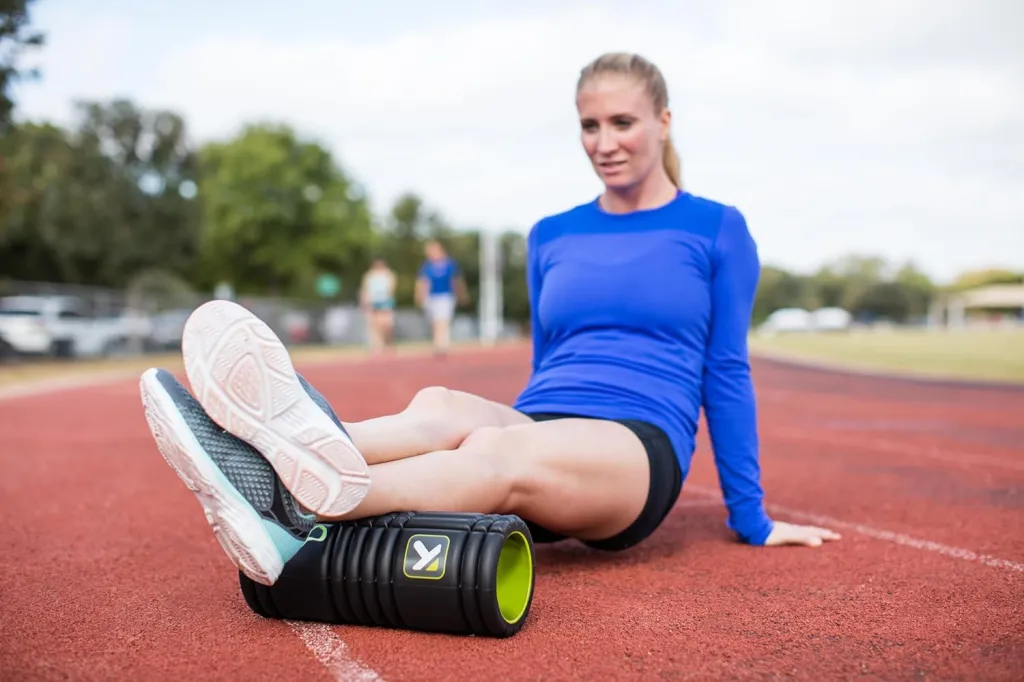
Of all the recovery tools in my arsenal, the humble foam roller is the one I use the most. It might not look high-tech, but the amount of relief it brings after heavy lifting or HIIT sessions is no joke. My current foam roller cost me less than $30, and it’s lasted over three years. Whether I’m working out tension in my IT bands or opening up my thoracic spine, it does the job.
I prefer a medium-density roller with a textured surface. It hurts in the good way, enough pressure to release tight spots without making me dread using it. It’s great for flushing out lactic acid and promoting blood flow, especially after leg day. I’ll often spend five to ten minutes rolling out my quads, glutes, hamstrings, and calves after training, and I always notice a difference in how I feel the next morning.
If you’re only going to buy one tool from this review: budget-friendly recovery tools that actually work, a foam roller should be at the top of your list.
Lacrosse Ball: Small but Mighty
It’s hard to overstate how effective a simple lacrosse ball can be. For less than $10, this thing has helped me get into muscle knots that foam rollers just can’t reach. I use it mainly on my traps, upper back, and glutes. I’ll lean against a wall or lay on the floor with the ball under me and apply pressure to trigger points until the tension starts to melt.
The portability is a huge bonus. I throw it in my gym bag and bring it with me everywhere. It’s especially useful if I’m working at a desk or traveling, I can sneak in a few minutes of self-massage almost anywhere. It’s also great for foot recovery. After long runs or intense lower-body sessions, I’ll roll the soles of my feet on it to help reduce tightness and prevent plantar fasciitis.
It might be the cheapest tool in this entire review: budget-friendly recovery tools that actually work, but it’s one of the most impactful.
Resistance Bands: Dynamic Stretching and Activation
Recovery isn’t just about rest, it’s also about active movement. Resistance bands are incredibly useful for light stretching, mobility drills, and muscle activation. I use them to warm up before workouts and to cool down after, especially on shoulder and hip mobility.
A set of resistance bands costs around $15 to $25 and comes with multiple resistance levels. I’ve used them to do banded hamstring stretches, shoulder dislocates, glute bridges, and even light deadlifts on deload days. The elasticity makes movement feel fluid, and the bands help engage muscles without putting stress on joints.
Bands also let me do controlled rehab-style exercises that support recovery from minor strains. In my experience, they’ve sped up my bounce-back time more than I expected. If you’re building out a home gym or looking for one multipurpose tool from this review: budget-friendly recovery tools that actually work, resistance bands are a no-brainer.
Massage Stick: Targeted Muscle Relief
The massage stick looks like a rolling pin, and that’s exactly how I use it, except instead of dough, I’m flattening out tight quads and calves. It’s especially helpful after long runs or leg days when I don’t feel like lying on the floor to foam roll.
I use it mostly on my thighs and calves, applying gentle to moderate pressure. It helps flush out metabolic waste, improve circulation, and reduce soreness in targeted areas. Some days I use it while standing in the kitchen or sitting on the edge of my bed. It’s low-effort but effective.
This tool usually runs around $20 to $30, and while it doesn’t go as deep as a massage gun, it offers more control. For focused muscle groups, it’s incredibly useful. In this review: budget-friendly recovery tools that actually work, the massage stick stands out as a convenient, low-tech, and highly reliable recovery tool.
Acupressure Mat: A Surprising Favorite
At first, I was skeptical of acupressure mats. They look intimidating, thousands of tiny plastic spikes arranged across a thin mat, but after using one consistently, I became a believer. Lying down on it for just 10 to 20 minutes sends a wave of tingling discomfort that slowly morphs into warmth and release.
I’ve found this especially helpful on rest days or in the evening when I want to decompress. It stimulates blood flow and relaxes my back, neck, and shoulders after a long day of lifting or sitting. I use it without a shirt to get maximum skin contact, and though the first few minutes can be intense, the after-effect is deeply relaxing.
You can find good-quality acupressure mats for $25 to $40. In my review: budget-friendly recovery tools that actually work, this one is perhaps the most unexpected success. It’s passive, requires no electricity, and offers a totally different approach to recovery.
Hot and Cold Gel Packs: Simple Recovery, Big Impact
Some recovery tools are so simple you forget how effective they can be. Hot and cold gel packs fall into that category. I keep a few in my freezer and use them whenever I feel inflammation or localized soreness. On days when my knees feel off after squats, or my shoulders are tender from overhead presses, I apply a cold pack for 15-20 minutes. It helps reduce swelling and relieve pain.
The same packs can be microwaved to apply soothing heat to tight muscles. I especially like this after long training blocks where my lower back feels stiff. It’s like having a mini spa session without needing any expensive equipment.
At under $15 for a two-pack, these are one of the most cost-effective additions from this review: budget-friendly recovery tools that actually work. They’re compact, reusable, and perfect for anyone who wants immediate, targeted relief.
Stretching Strap: Flexibility Boost Without a Partner
A stretching strap might look simple, but it plays a big role in how I improve and maintain flexibility. It lets me get into deeper stretches and hold positions I otherwise couldn’t manage alone. I use it mainly for hamstrings, hips, and shoulders.
Using a strap gives me the leverage I need to gradually increase my range of motion, especially after lifting days. I usually pair it with deep breathing to relax into each stretch. It’s helped me recover from tightness faster and improve mobility over time.
Most stretching straps cost under $20, and they often come with loops or handles for different grip positions. In this review: budget-friendly recovery tools that actually work, this tool is great for lifters, runners, and yogis alike.
Compression Sleeves: On-the-Go Recovery
I used to think compression gear was just for show, but after giving compression sleeves a try, especially for my calves and knees, I noticed real benefits. They help reduce swelling, improve circulation, and keep my muscles feeling supported after high-volume leg days or long cardio sessions.
I usually wear them post-workout for a few hours, sometimes even while I sleep. They don’t fix soreness overnight, but they do help reduce that heavy, fatigued feeling that sometimes lingers. They also make a noticeable difference in reducing delayed onset muscle soreness (DOMS).
Compression sleeves cost anywhere from $15 to $30, depending on the brand. For a wearable recovery option that doesn’t involve any effort beyond putting them on, they’re a great value in this review: budget-friendly recovery tools that actually work.
Trigger Point Peanut Ball: Deep Tissue on a Budget
The peanut ball is like the lacrosse ball’s bigger, more specialized cousin. Its shape makes it perfect for targeting the muscles along the spine, neck, and traps. I lie down with it along my upper back, and it provides pinpoint pressure on knots and tight fascia that’s hard to reach otherwise.
I’ve also used it under my calves and hamstrings, and even on my feet. It’s surprisingly versatile and small enough to throw in my bag or keep in my car. For around $15, this tool offers deep tissue release that rivals some higher-end massage gadgets.
If you’re dealing with persistent knots or chronic tightness, this one’s a winner. It rounds out this review: budget-friendly recovery tools that actually work by offering a deep, targeted option that punches way above its price point.
Final Thoughts
Recovery doesn’t need to be expensive or complicated. The tools I’ve highlighted in this review: budget-friendly recovery tools that actually work have earned their place through real-world use, not flashy marketing or premium price tags. They’ve helped me stay consistent, reduce soreness, and come back stronger after tough workouts.
You don’t need a dedicated recovery room or a thousand-dollar setup. A foam roller, a lacrosse ball, a resistance band, or a simple gel pack can go a long way. What matters most is building the habit of recovery into your routine, making time to slow down, address muscle tension, and take care of the body that works so hard for you.
If you’ve been putting off recovery because of cost, let this be your invitation to start small. Pick one or two tools from this guide and give them a real chance. Your body will notice the difference, and so will your performance.
Let me know if you’d like to turn this into a downloadable guide or blog-ready format with affiliate links and comparison tables!
