
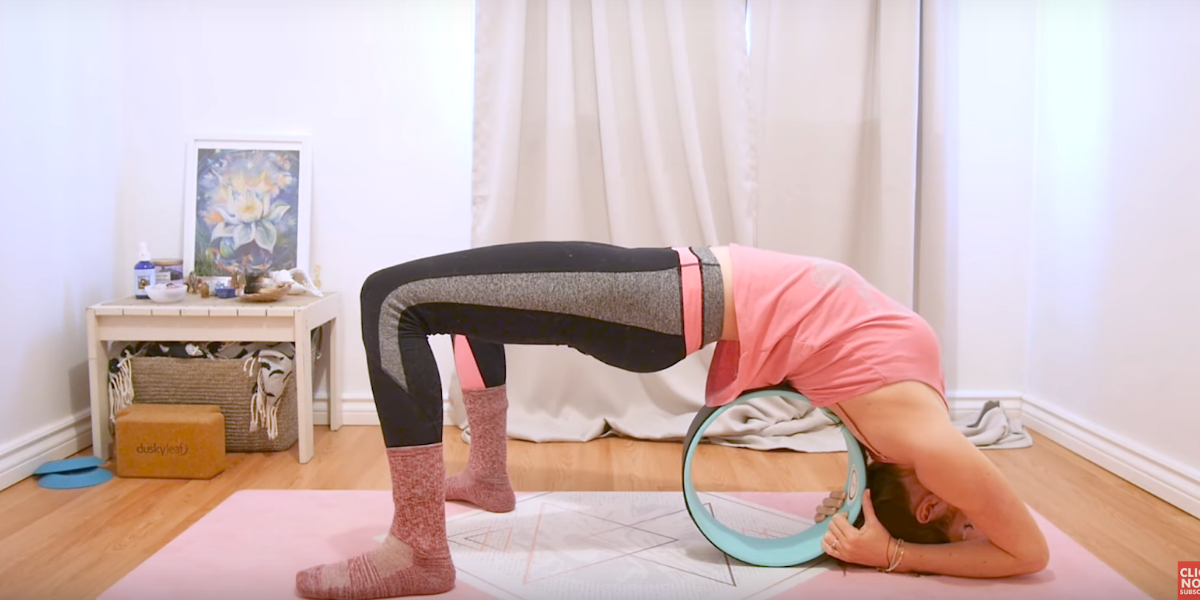
After every intense training session, I’ve come to appreciate the power of stretching more and more. Muscles that were tight and stiff become more flexible, soreness is reduced, and recovery feels smoother. Recovery isn’t just about sleep and protein, it’s also about movement, circulation, and giving your body the chance to breathe and realign. Over the years, I’ve tested countless recovery methods, but nothing quite compares to the benefits I get from incorporating a good stretching routine. That’s why I decided to share the best stretches for gym-goers to boost recovery.
This guide combines personal experience with some of the most trusted techniques used by athletes and physical therapists. These stretches target common problem areas, hips, hamstrings, back, shoulders, and calves, helping improve flexibility, reduce muscle tension, and prevent injuries. I’ve also included tools and accessories that complement each stretch to maximize recovery. Whether you’re lifting weights, hitting the cardio machines, or doing high-intensity training, these stretches will help you bounce back stronger.
Hip Flexor Stretch
Tight hips can limit your range of motion and increase your risk of injury, especially if you sit a lot during the day. After squats, deadlifts, or any lower body workout, the hip flexor stretch helps realign the pelvis and lengthen the hip muscles.
To perform it, I kneel on one knee, with the opposite foot flat on the floor in front of me. I gently press forward, keeping my back straight, until I feel a stretch in the front of my hip. I hold this for 30 seconds on each side, breathing deeply.
Key Benefits
- Improves hip mobility
- Alleviates lower back tension
- Enhances posture and spinal alignment
Pro Tip
Using a foam pad or folded towel under the knee can add comfort if you’re on a hard surface.
Seated Hamstring Stretch
This stretch is a classic for a reason. After leg day, nothing feels better than giving the hamstrings a long, deep stretch. I usually sit with one leg extended and the other foot tucked in. I then reach for my toes (or ankle if I’m not that flexible on the day), making sure to keep my spine neutral.
The key here is not to bounce. I simply hold the position and focus on steady breathing. This stretch relieves the tightness in the back of the legs and also helps with lower back discomfort.
Key Benefits
- Reduces post-workout hamstring soreness
- Supports lower back health
- Increases overall leg flexibility
Pro Tip
I sometimes use a yoga strap to gently pull my upper body forward for a deeper stretch.
Child’s Pose
Whenever I feel my body needs a reset after a tough session, I turn to Child’s Pose. It stretches the lower back, hips, and shoulders, and calms the nervous system. I start on my hands and knees, then sit back onto my heels while extending my arms forward on the floor.
It’s a simple, passive stretch that feels incredible after heavy lifting or long cardio sessions. I’ll often stay in this position for up to a minute, allowing my muscles to fully relax.
Key Benefits
- Gently decompresses the spine
- Opens the hips and shoulders
- Encourages deep breathing and relaxation
Pro Tip
I recommend doing this stretch with your knees wide apart for a deeper hip stretch.
Chest and Shoulder Opener (Wall Stretch)
Upper body workouts often leave my chest and shoulders tight. The wall stretch is one of the best ways to open up the chest and release shoulder tension. I stand next to a wall, place my hand flat against it, and gently rotate my torso away from the wall until I feel a stretch across my chest.
This one can be intense, so I go slowly and adjust the angle of my arm to target different areas.
Key Benefits
- Reverses the hunched posture caused by pressing movements
- Increases shoulder mobility
- Improves breathing capacity
Pro Tip
Try this stretch after bench presses or push-ups to keep your chest open and shoulders healthy.
Calf Stretch on a Step
Tight calves are common after running, jumping, or lower body training. To stretch them, I stand on the edge of a step with my heels hanging off. I slowly lower one heel down until I feel a stretch in the calf. Holding for 30 seconds on each side does the trick.
This stretch is also great for ankle mobility, which is often overlooked but vital for deep squats and lunges.
Key Benefits
- Relieves calf tightness
- Enhances ankle flexibility
- Prevents Achilles tendon strain
Pro Tip
You can also perform this stretch against a wall if a step isn’t available.
Spinal Twist
Twisting movements help release tension in the spine and surrounding muscles. I lie on my back, bring one knee up to my chest, and then cross it over my body to the opposite side. My opposite shoulder stays flat on the ground as I let gravity pull my leg down.
This stretch is subtle but powerful, especially if I’ve done a lot of weighted carries, deadlifts, or back exercises.
Key Benefits
- Improves spinal mobility
- Eases lower back stiffness
- Encourages blood flow to the spine
Pro Tip
Place a pillow under your bent leg if you can’t get it all the way to the ground. It keeps the stretch gentle and effective.
Quad Stretch
Quads take a beating during any leg workout. This standing quad stretch helps restore balance and flexibility to the front of the thigh. I stand tall, grab my ankle behind me, and pull it gently toward my glutes while keeping my knees close together.
Balance can be tricky with this one, so sometimes I use a wall or chair for support. The goal isn’t just to yank on your leg, it’s to open up the hip and lengthen the front of the thigh.
Key Benefits
- Reduces quad soreness
- Improves knee health
- Encourages better hip extension
Pro Tip
Engage your core while doing this stretch to avoid arching your lower back.
Butterfly Stretch
This stretch hits the inner thighs and groin area. I sit on the floor, bring the soles of my feet together, and let my knees drop toward the floor. I then gently press down on my knees with my elbows to deepen the stretch.
It’s excellent after leg days or any workout with a lot of lateral movement. I find this one especially useful for improving hip range of motion and maintaining flexibility.
Key Benefits
- Loosens the inner thighs
- Increases hip mobility
- Helps prevent groin injuries
Pro Tip
Sitting on a cushion can improve posture and make the stretch more comfortable.
Supported Forward Fold
When I need a full-body release, the supported forward fold is my go-to. I stand with my feet hip-width apart, bend forward from the hips, and let my torso hang. Sometimes, I hold opposite elbows or use a yoga block under my hands.
It decompresses the spine, stretches the hamstrings, and calms my whole system down. I love doing this one after a heavy deadlift session.
Key Benefits
- Decompresses the spine
- Stretches the entire posterior chain
- Relieves tension in the neck and back
Pro Tip
Slightly bending your knees helps if you’re tight in the hamstrings.
Incorporating Tools for Better Stretching
Using accessories like foam rollers, massage balls, or stretching straps has changed the game for me. Foam rolling before or after stretching helps break up fascia and improves circulation. A massage ball gets deep into the glutes, shoulders, or feet. Straps help me hold poses longer without straining.
While these tools aren’t necessary, they elevate each stretch and help speed up muscle recovery.
Making Stretching a Habit
The best stretches for gym-goers to boost recovery won’t work if they’re not done consistently. I treat my stretching routine like any other part of my fitness plan, it’s non-negotiable. Whether it’s five minutes after a workout or a longer recovery session on a rest day, I make sure to get it in.
Over time, I’ve noticed fewer injuries, better lifts, and a greater sense of control over my body. Stretching is not just a cool-down, it’s part of the performance puzzle.
Conclusion
Recovery isn’t just about what you eat or how you sleep, it’s about how you move after you move. Stretching restores balance, unlocks tight areas, and prepares your body for the next workout. I’ve built this guide based on what’s worked best for me and others in the fitness community, and these truly are the best stretches for gym-goers to boost recovery.
By taking just a few extra minutes after each session to care for my muscles, I’ve seen a huge improvement in how I feel and how I perform. If you’re serious about your fitness goals, start treating recovery like a workout in itself. Your body will thank you.
